
Walk into any pet shop (or scroll any pet website) and the choice of cat scratchers is a little overwhelming. Posts, boards, lounges, towers, wall shelves… all promising to save your furniture and delight your cat. So which one does your cat actually need?
The good news: it's simpler than it looks. Once you understand the handful of scratcher types and what each one's good at, the right choice becomes obvious. Here's your plain-English guide.
The quick answer There are four main types of cat scratcher: posts (vertical, best for stretching and most cats), boards/pads (flat or angled cardboard, great value and loved by many cats), cat trees (scratch + climb + perch + nap in one), and wall mounted scratchers (space-saving vertical setups for apartments). Most homes do best with at least one tall sisal post plus one cardboard scratcher, placed where your cat actually hangs out. Tall, stable and well-placed beats fancy every time.
Why every cat needs a scratcher
Before the "which one," the "why." Scratching isn't optional for cats, it's how they stretch, mark their territory and keep their claws healthy. If you don't give them a scratcher, they'll choose one themselves (your couch has volunteered). A scratcher isn't a nice-to-have; it's an essential, and the RSPCA lists appropriate scratching surfaces as a basic welfare need for cats.
Give them the right one and everybody wins: your cat gets a healthy outlet, and your furniture gets to live.
The four types of cat scratchers
1. Scratching posts (the everyday essential)
A vertical post wrapped in sisal rope or fabric. Posts let cats do their favourite thing, a full, upward stretch while they scratch, which is why they suit the majority of cats. The two things that matter most: height (tall enough for a full stretch) and stability (a wide, heavy base that won't tip). A wobbly post is the number-one reason cats snub a scratcher.
Best for: most cats, as the core scratcher in your home.
2. Scratching boards & pads (budget-friendly and beloved)
Flat or angled corrugated cardboard. They're inexpensive, take up little room, and a lot of cats are absolutely devoted to cardboard, some will ignore sisal entirely and only shred card. They wear out faster, but given the price, that's a fair trade. Angled and lounge-style boards double as a comfy spot to flop.
Best for: cardboard-loving cats, small budgets, and adding a second texture.
3. Cat trees & towers (the all-rounder)
A scratcher built into a multi-level structure with perches, hidey-holes and sometimes a bed. You're buying scratching and climbing, perching, napping and play in one footprint, brilliant value if you've got the space, and a godsend for indoor cats who need vertical territory. Sizes range from compact towers to floor-to-near-ceiling adventures. Browse the cat furniture collection for trees and towers.
Best for: indoor cats, energetic cats, and multi-cat homes.
4. Wall-mounted scratchers & shelves (the apartment hero)
Scratchers and steps that fix to the wall, turning empty vertical space into a feline playground without eating your floor. Perfect for small apartments and minimalist homes, they look more like wall art than pet gear, and cats love being up high. A genuinely underrated option that more Aussie apartment-dwellers should know about.
Best for: small spaces, renters (removable options), and cats who crave height.
Explore all of them in the cat scratchers range.
Sisal vs cardboard - which material wins?
The eternal question. Honestly? It depends on your cat, but here's the quick guide:
- Sisal (rope or fabric) is hard-wearing, satisfying to shred, and holds up to strong, enthusiastic scratchers. It lasts far longer, so it's the better long-term value for a main post.
- Cardboard is cheaper, widely adored, and sometimes the only thing a particular cat will use. It wears faster, but it's easy and affordable to replace.
Our tip: have one of each. A tall sisal post as the workhorse, plus a cardboard board or lounge for variety. Between them you'll cover almost any cat's preference.
Which scratcher is right for your cat?
Think about three things:
Your cat's style. Do they stretch up high to scratch (→ a tall post or tree) or scratch flat on the floor/carpet (→ a horizontal board or lounge)? Match the scratcher to how they already behave.
Your space. Roomy home → a cat tree gives the most value. Small apartment → wall-mounted scratchers and compact posts save precious floor space.
Your cat's energy. A busy young cat or a multi-cat household gets huge value from a tree or wall setup that offers climbing and perching, not just scratching.
When in doubt, start with a tall sisal post plus a cardboard scratcher, placed where your cat actually spends time — not hidden in the spare room.
-
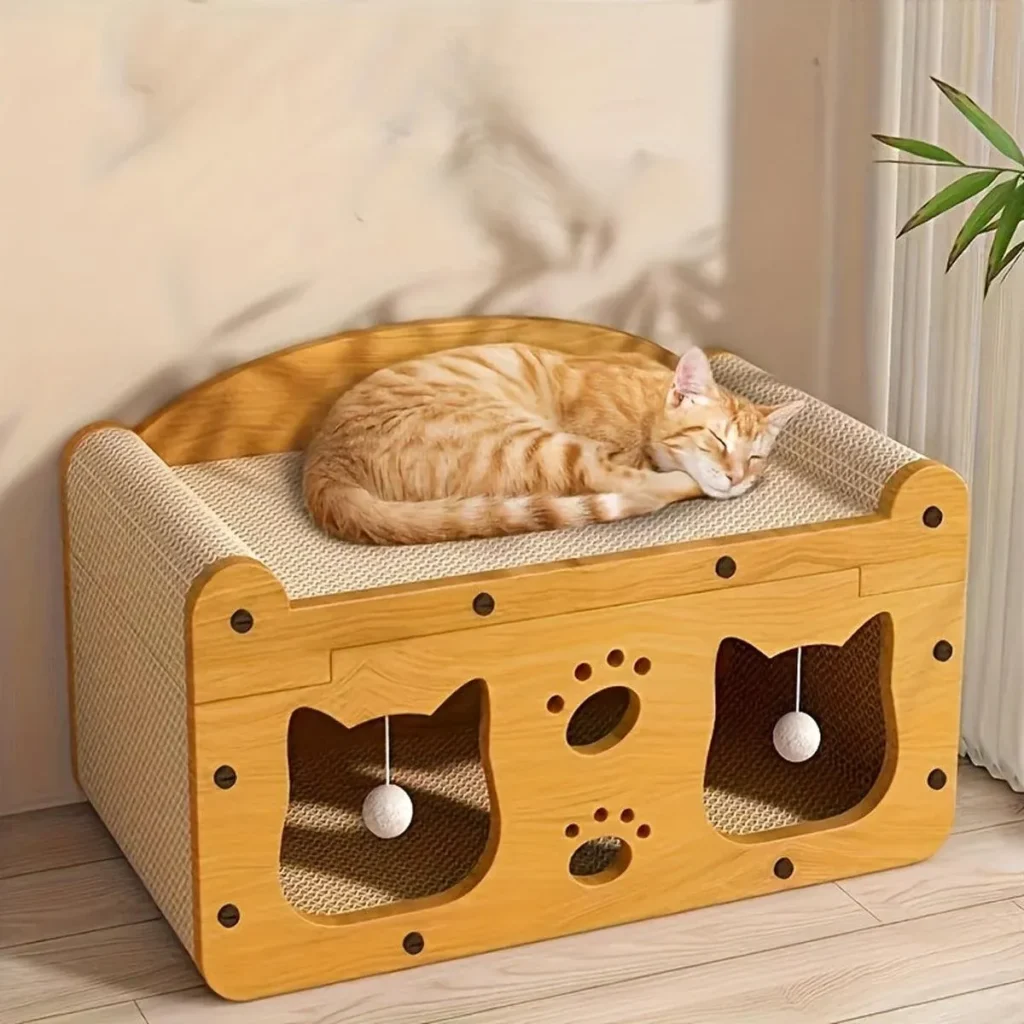
2-in-1 Cat Scratching Board & Bed – Scratch & Rest
$68.83 -
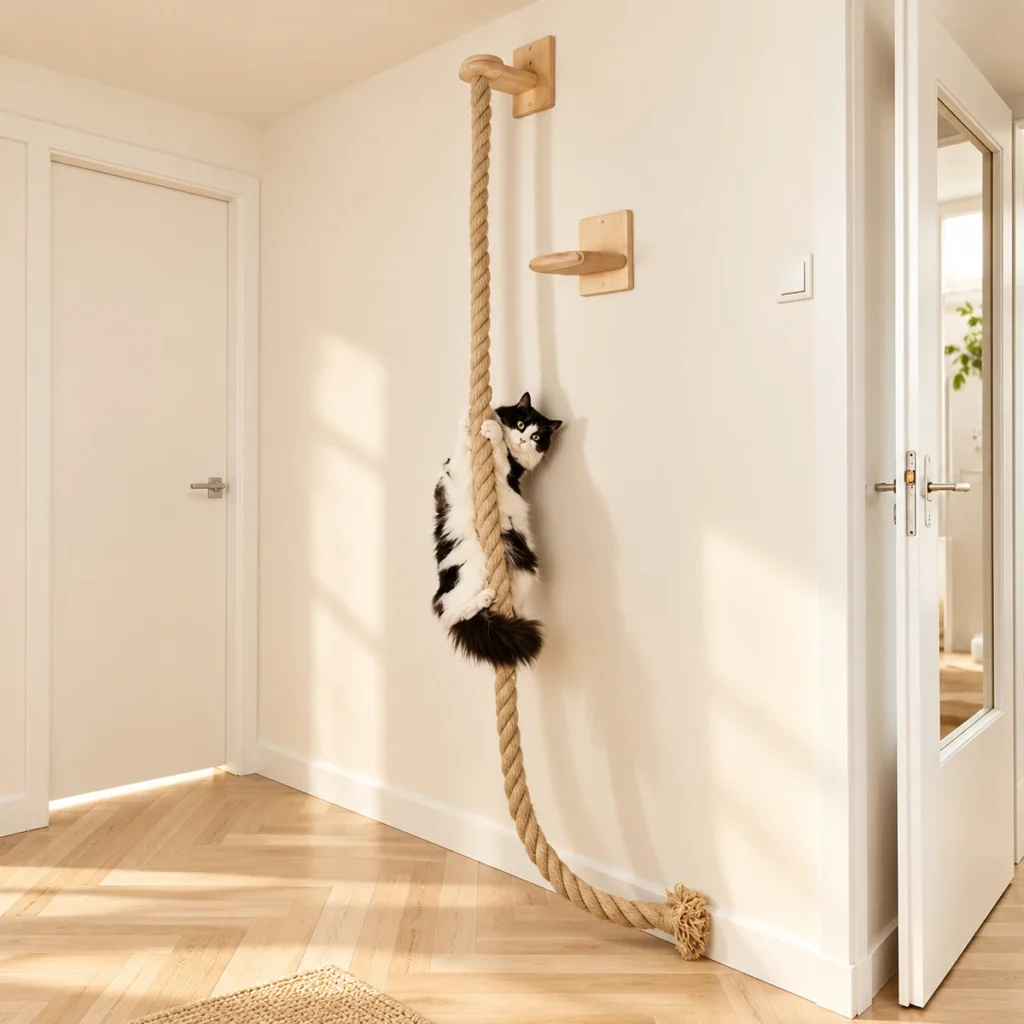
Cat Climbing Frame with Rope & Leash – Play Set
$67.41 -
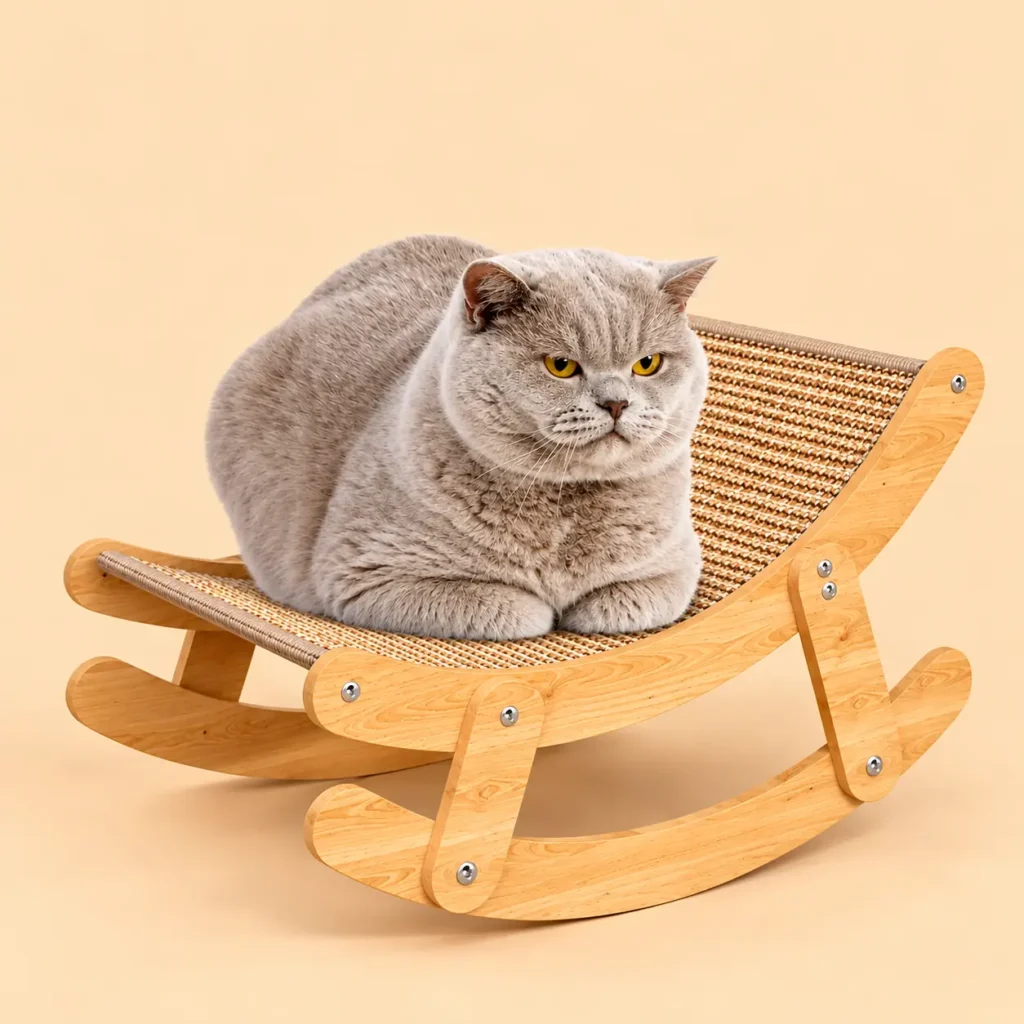
Cat Scratcher Lounge Chair – Sisal & Wood Cat Bed
$40.10 -
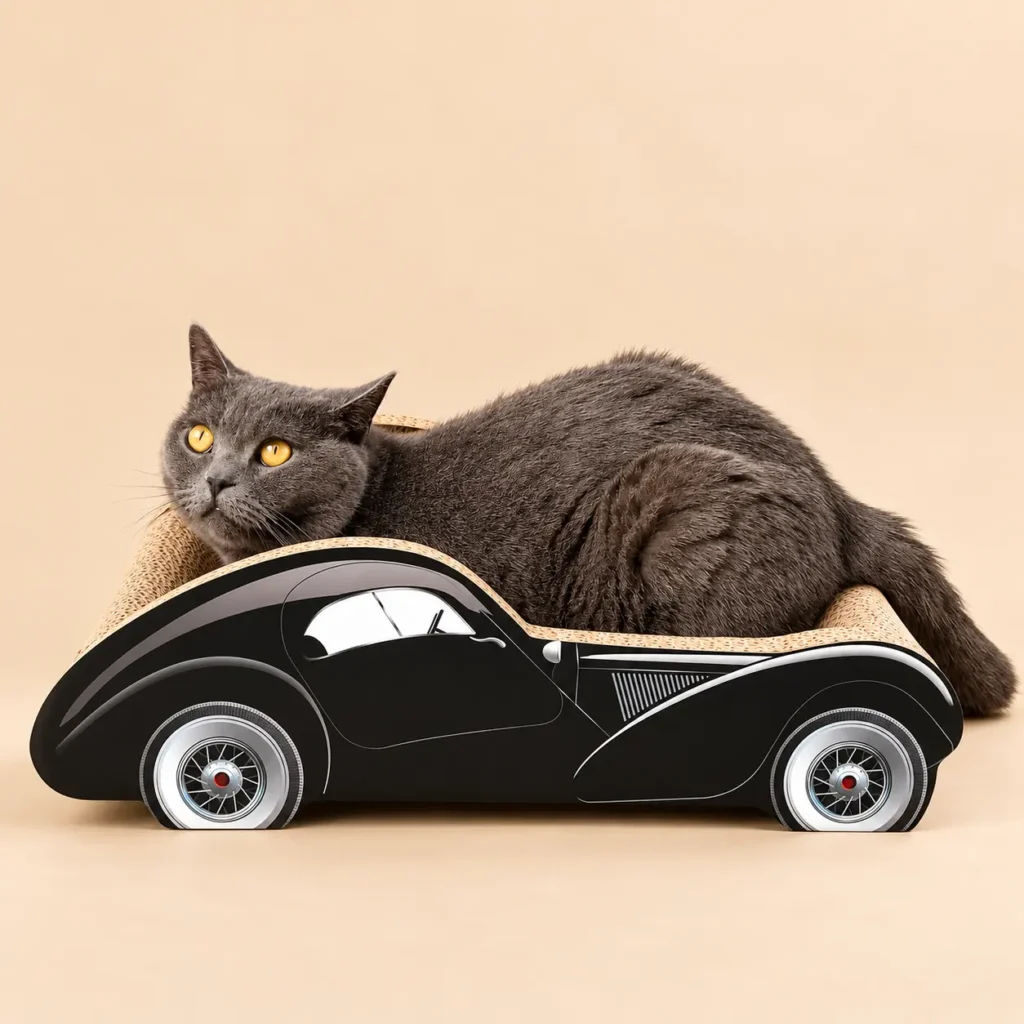
Cat Scratcher Sofa – Corrugated Cardboard Lounge
$51.72 -
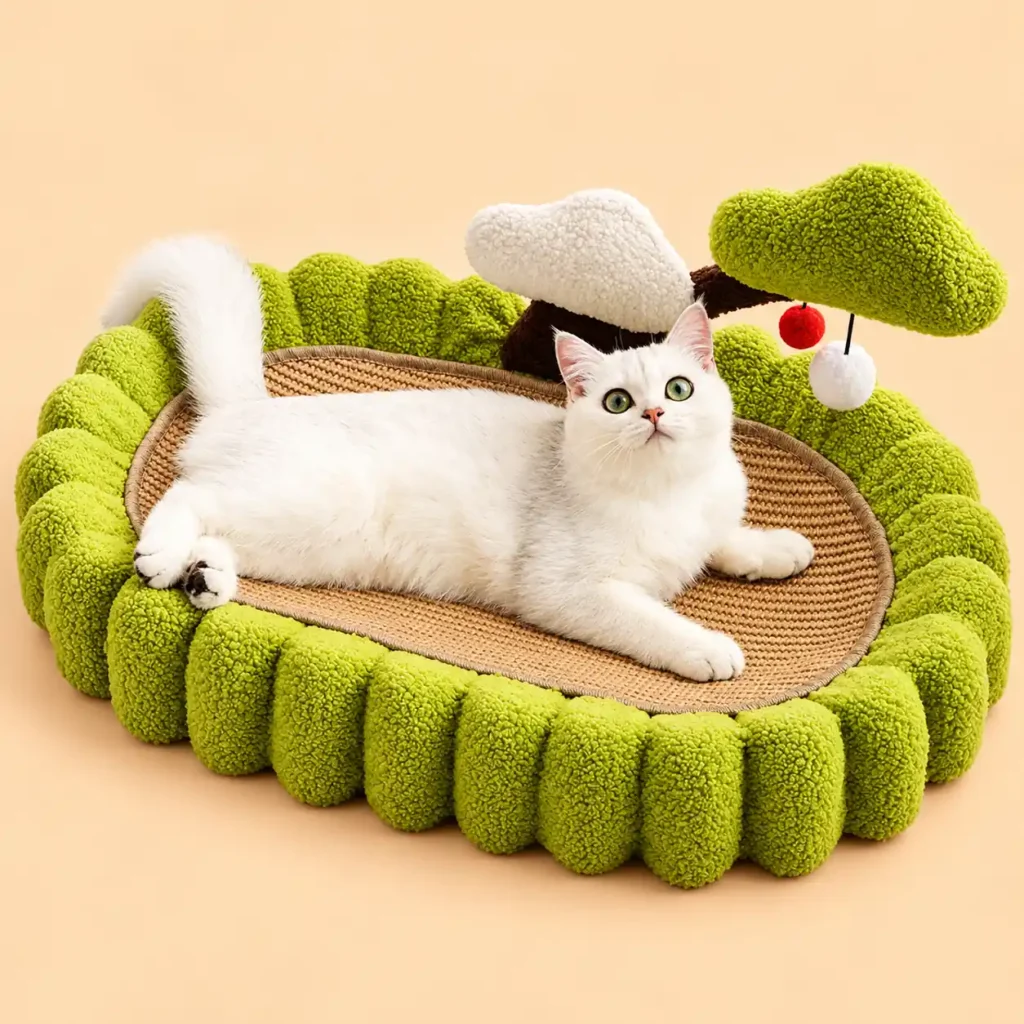
Cat Scratching Bowl with Tree Toy – Sisal Scratcher
$54.26 -
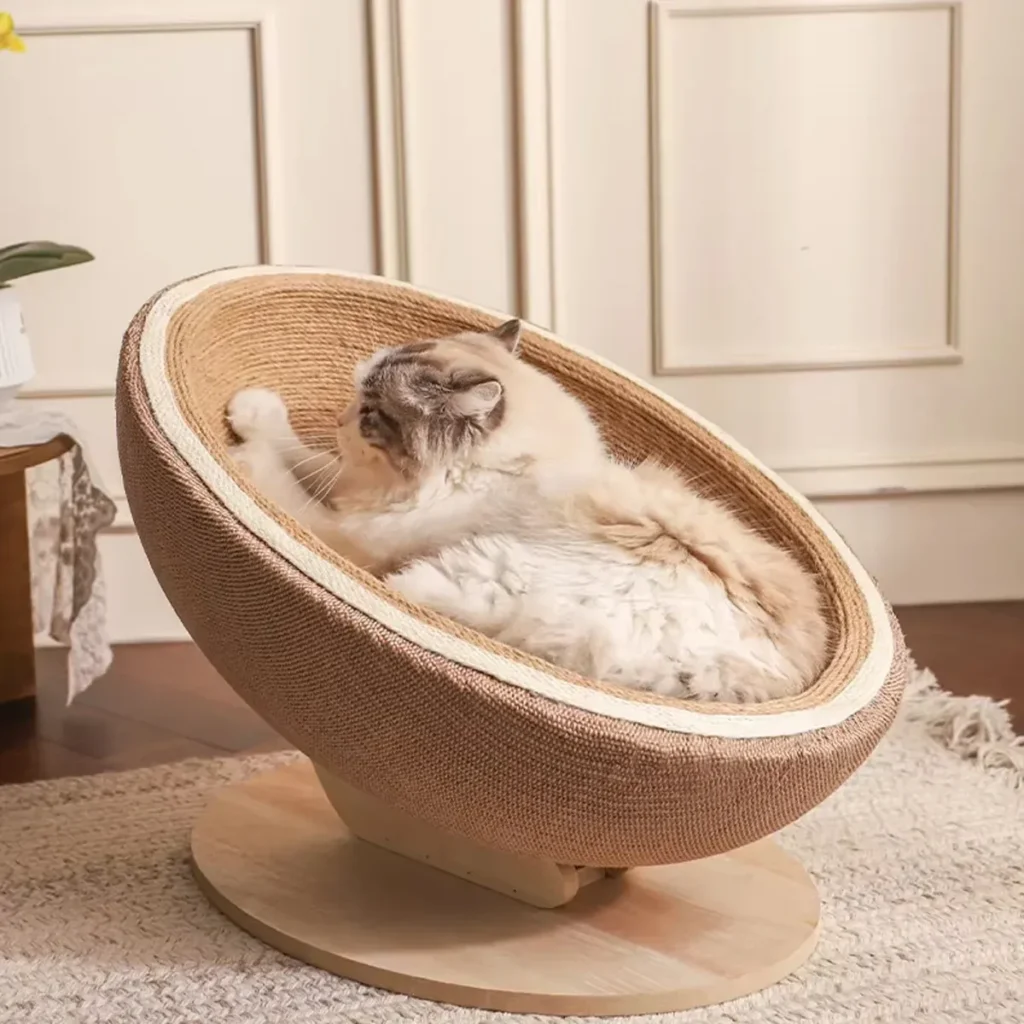
Sisal Cat Scratcher Bed – Oval Scratch & Rest Nest
$88.24 -
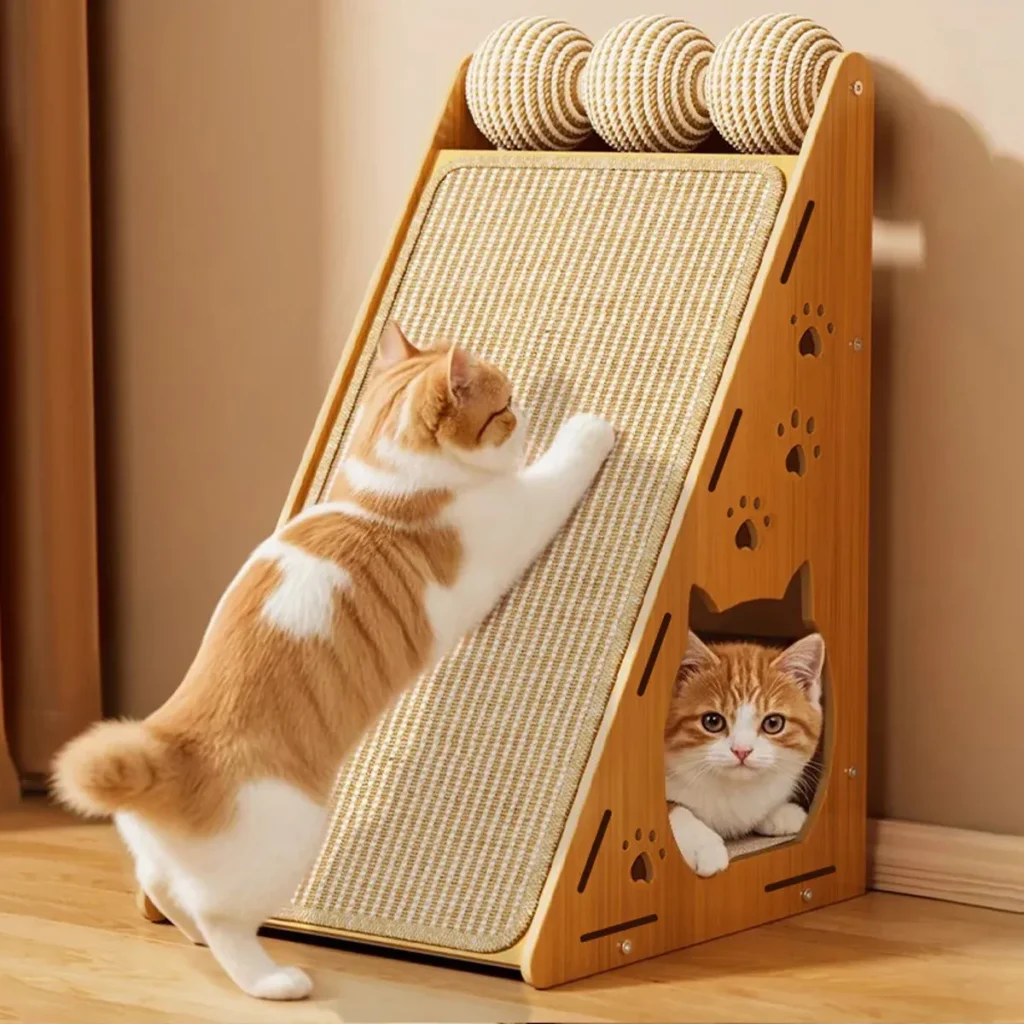
Wall-Mounted Cat Scratcher – Space-Saving Sisal Post
$73.77 -
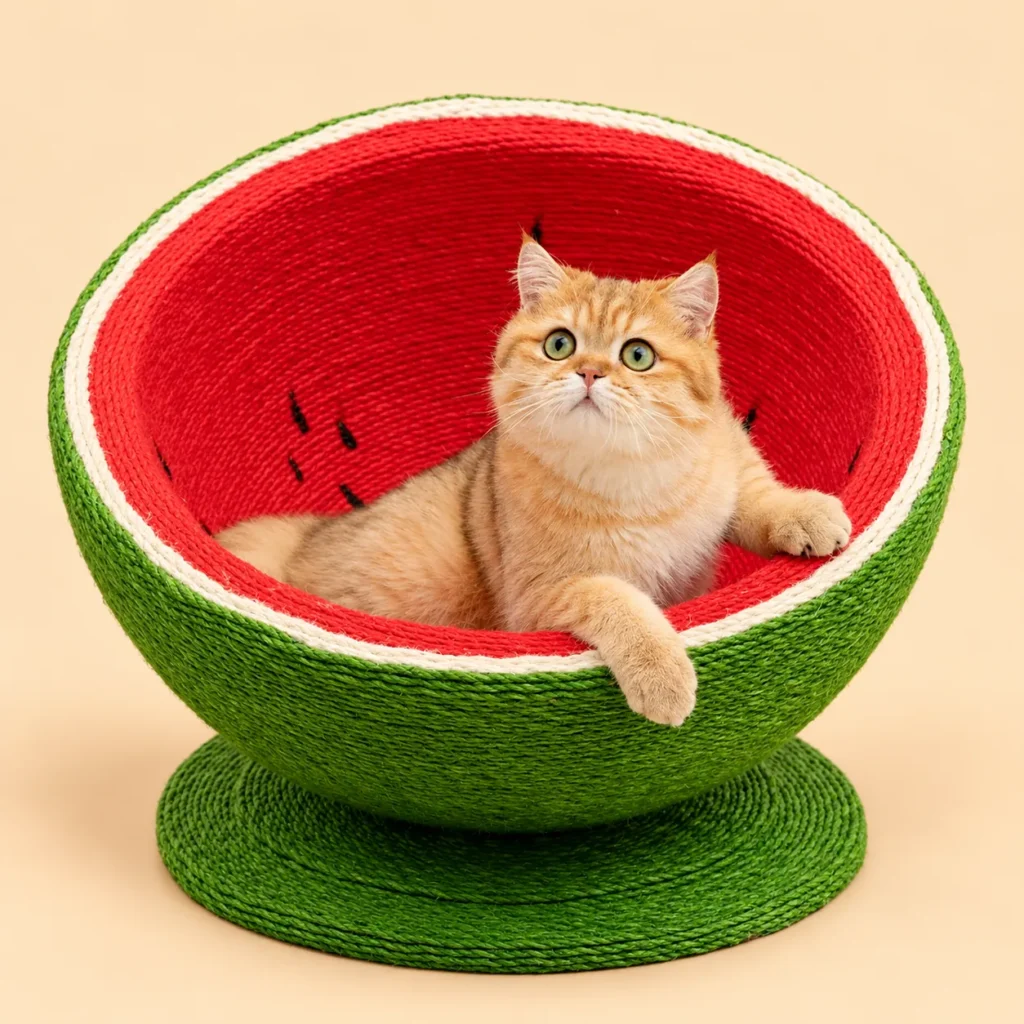
Watermelon Cat Scratcher Bowl – Sisal Scratching Nest
$90.66
Where to put it (the make or break detail)
The best scratcher in the world fails if it's in the wrong spot. Cats scratch where they live and socialise, and often right after waking up. So place scratchers:
- Near their sleeping spots (cats love a scratch-and-stretch after a nap).
- Next to the furniture they've been targeting, to redirect the habit.
- In the main living areas, not tucked away out of sight.
If your cat is already going for the couch, we've got a full walkthrough on how to stop your cat scratching the furniture, the fix is easier than you'd think.
How many scratchers do I need?
More than one, ideally. A good rule of thumb: at least one scratcher per cat, plus one extra, in different spots and textures. It sounds like a lot, but scratchers are far cheaper than reupholstering, and variety keeps your cat interested in their stuff rather than yours.
Frequently asked questions
What's the best type of cat scratcher?
For most cats, a tall, stable sisal scratching post is the best all-round choice because it allows a full upward stretch. Pair it with a cardboard board for variety, and add a cat tree or wall scratcher if your cat loves to climb.
Is sisal or cardboard better for a cat scratcher?
Sisal lasts longer and suits strong scratchers; cardboard is cheaper and some cats prefer it. Having one of each covers the most preferences.
How tall should a cat scratching post be?
Tall enough for your cat to stretch fully upright with front legs extended, taller is better. A sturdy, wide base matters just as much, so it doesn't wobble or tip.
Are wall-mounted cat scratchers good for apartments?
Yes, they're ideal. They use vertical wall space instead of floor space, give cats the height they crave, and look tidy in a small home.
How many scratchers does one cat need?
At least one or two per cat, in different spots and textures. Variety and good placement are what keep cats using them.
Shop Cat Furniture
-
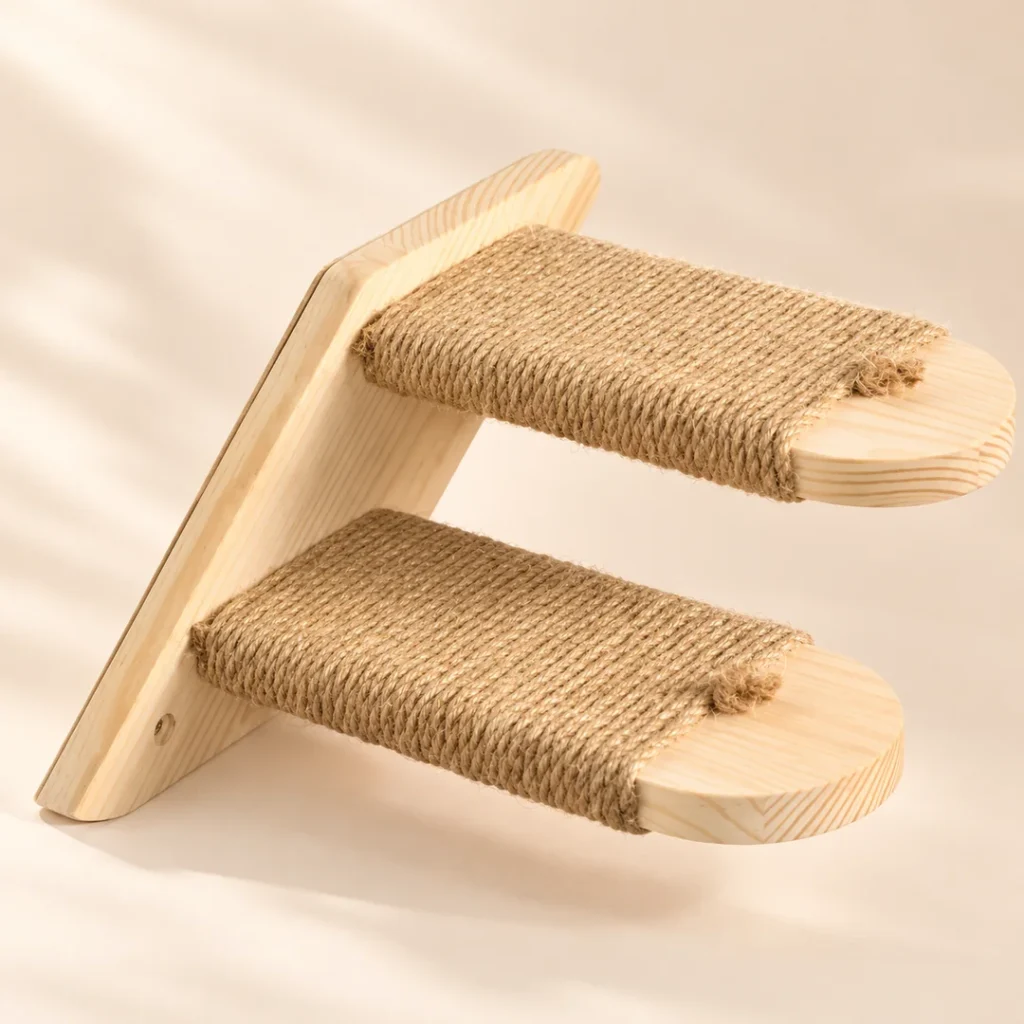
Wall Mounted Cat Climbing Ladder – Solid Wood Steps
Price range: $60.00 through $82.00 -
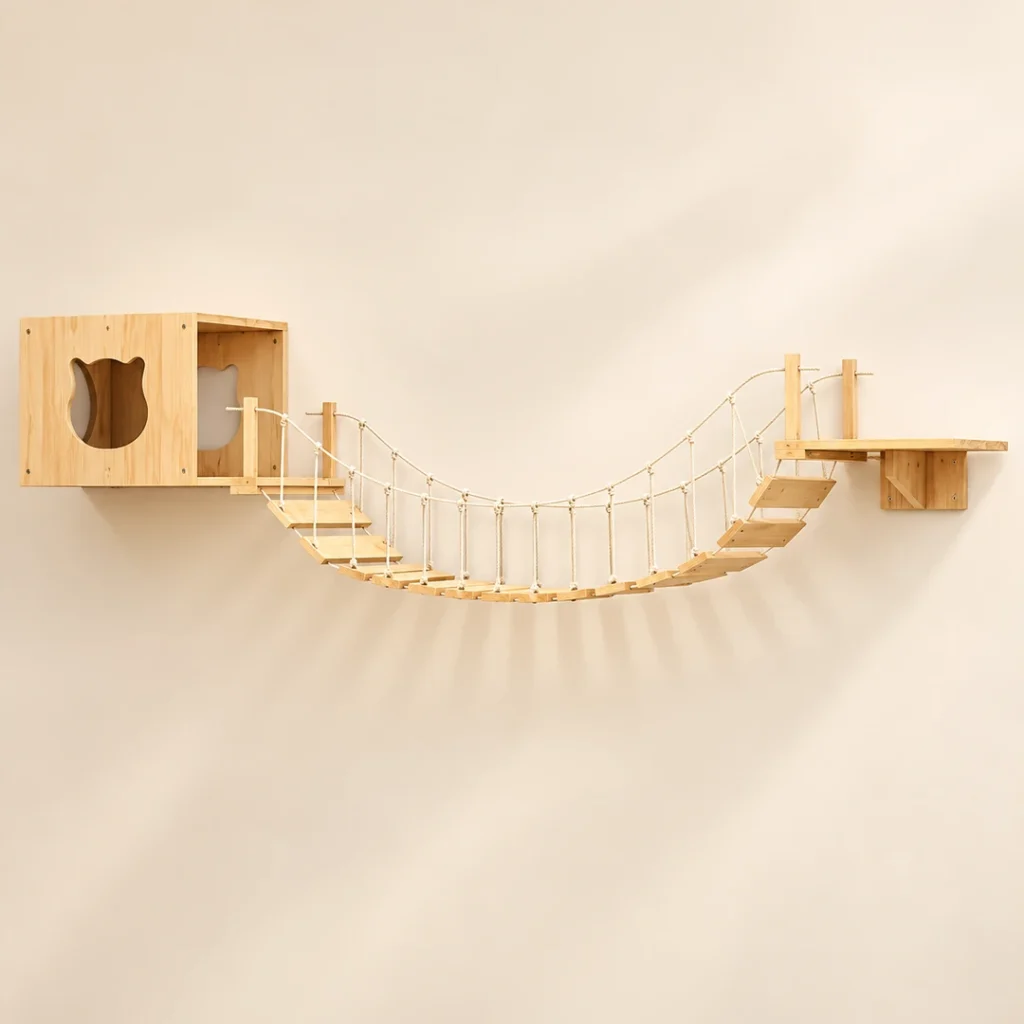
Wall Mounted Cat Climbing Shelf – Wooden Perch Set
$42.69 -
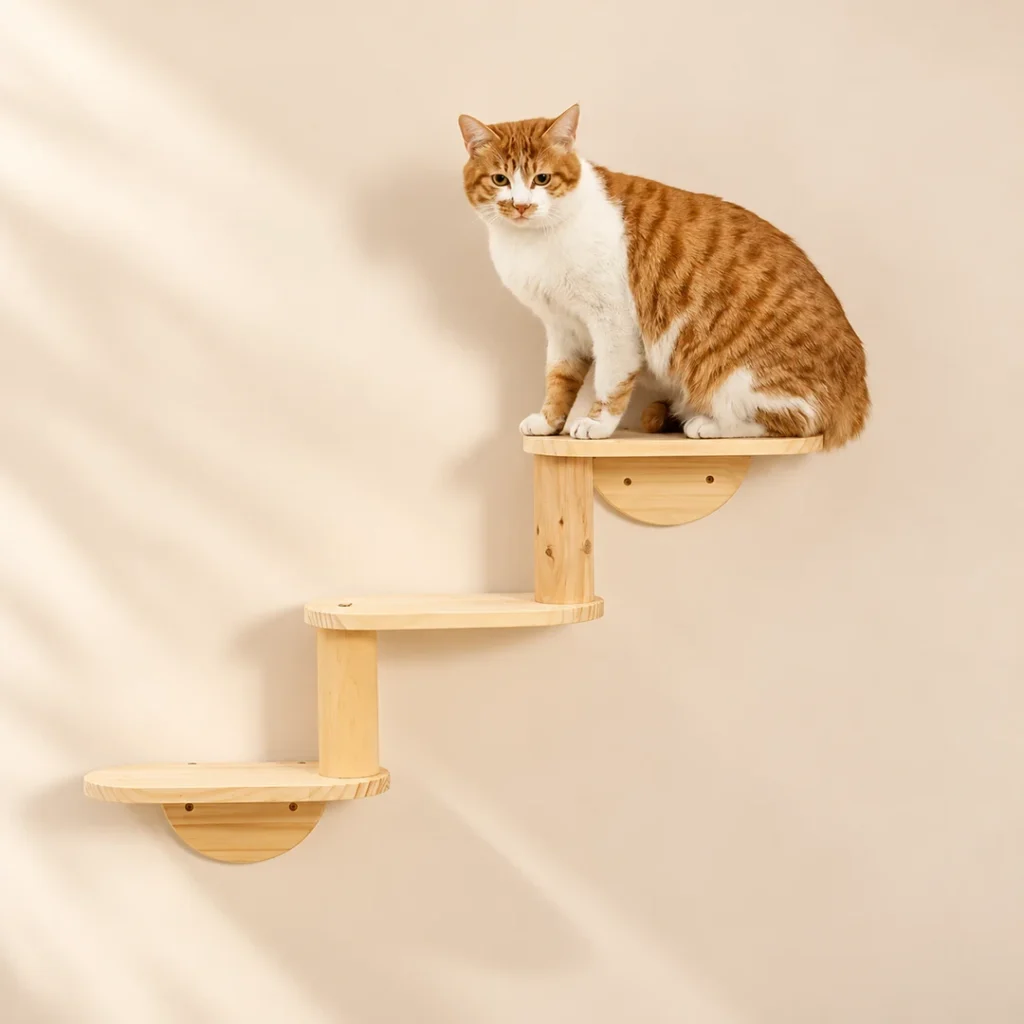
Wall Mounted Cat Tree – Solid Wood Climbing Shelf
$67.90
Shop Cat Scratchers
The bottom line
Choosing a cat scratcher isn't complicated once you know the four types and what each is good at. For most homes, a tall sisal post plus a cardboard scratcher is the perfect starter pair, add a tree or wall setup if your cat's a climber or you're short on floor space. Place them where your cat actually hangs out, and you'll have a happy cat and intact furniture.
Ready to choose? Browse the cat scratchers and cat furniture collections, thoughtfully chosen and delivered free across Australia.