An automatic cat litter box Australia owners can buy is worth it for many cat owners who want to cut down on daily scooping, keep the litter surface cleaner and cope with busy schedules or multiple cats. It is not worth it for everyone. The upfront cost is much higher than a regular tray, some cats need time to adjust, and the machine still needs regular emptying and washing. This guide explains how self-cleaning litter boxes work, the real pros and cons, what to look for before you buy, and how to help your cat accept one.
Automatic Cat Litter Box Australia: What Is It?
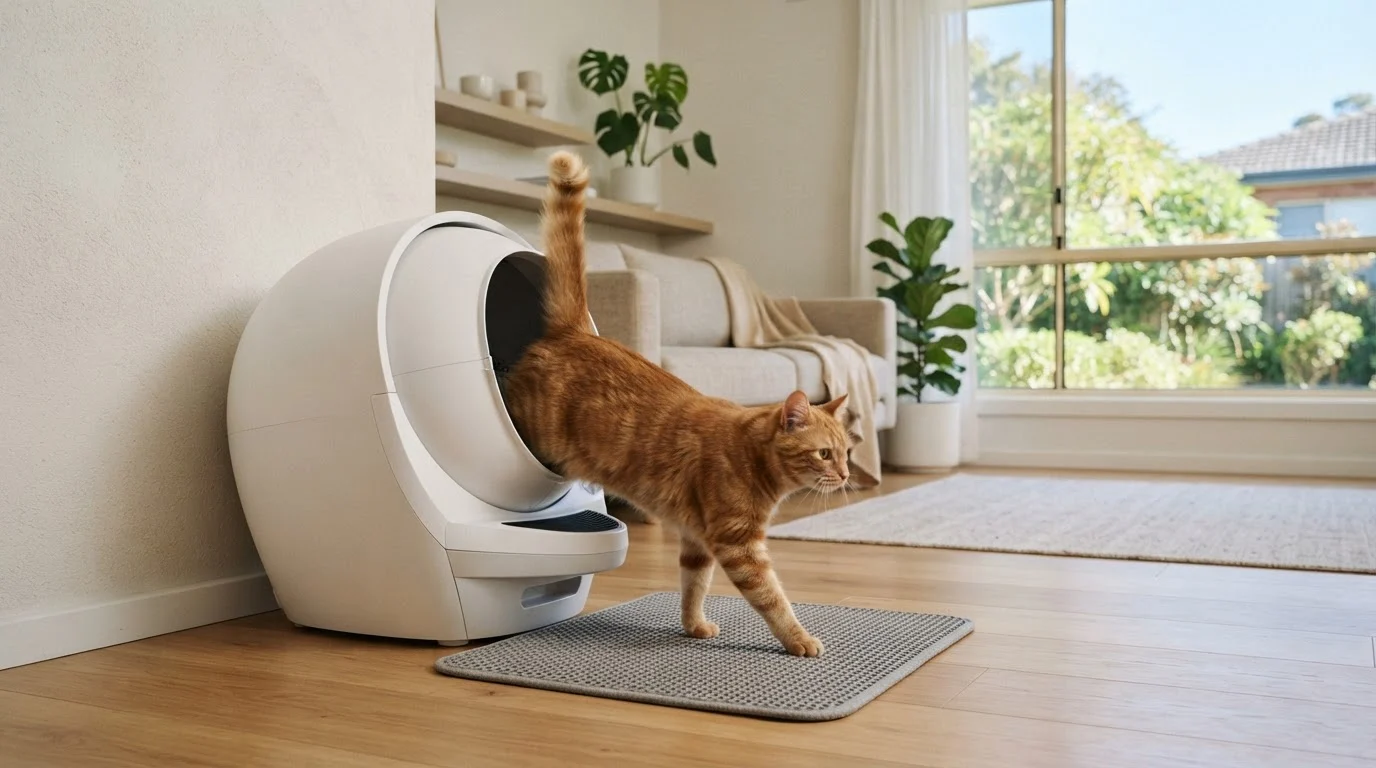
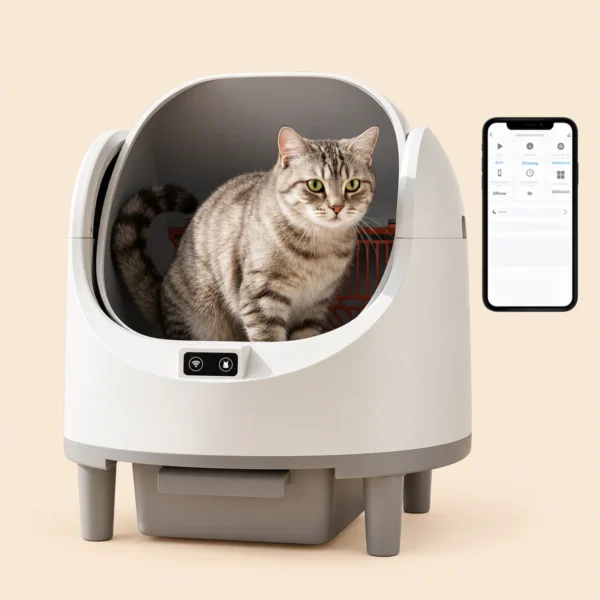
An automatic cat litter box, also called a self-cleaning or smart litter box, uses sensors and a motor to separate waste from clean litter after your cat leaves the box. Waste is moved into a sealed compartment, so you empty a drawer or bag instead of scooping by hand. Some models connect to WiFi so you can track visits and adjust settings from your phone.
How Does a Self-Cleaning Litter Box Work?
Most models detect when a cat has used the box, wait a set time, then run a cleaning cycle. Depending on the design, a rake, sifting drum or rotating chamber moves clumped waste into a waste bin while clean litter returns to the base. Smart versions may add app alerts, usage tracking and adjustable cycle timing. Most designs work best with clumping litter, so always check the manufacturer’s recommendations before choosing a litter.
The Benefits of an Automatic Litter Box
The biggest benefit is time. Scooping every day is a chore, and an automatic box removes most of that routine. The litter surface also stays cleaner between manual cleans, which many cats prefer, and fewer messy surprises means a fresher-smelling home. Households with several cats, owners with limited mobility and people who work long hours often find the convenience makes a real difference. Smart models add peace of mind by letting you check usage from your phone.
The Downsides to Consider
Cost is the main drawback, because sensors and motors make automatic boxes far more expensive than a standard tray. They are also not completely hands-off: you still need to empty the waste compartment, top up litter and wash the base. Some cats are wary of the sound and movement, and a poorly designed unit that cycles while a cat is inside can be dangerous, so safety features matter. Finally, because the waste is hidden away, you may notice changes in your cat’s toilet habits less quickly, which is worth keeping in mind for health monitoring.
How Much Does an Automatic Litter Box Cost in Australia?
Prices vary widely. Entry-level models typically start in the low hundreds of dollars, while premium WiFi-enabled units can cost well over $700. A standard litter tray costs a small fraction of that. When comparing prices, consider ongoing costs too, such as replacement bags, filters and the type of litter the machine needs, as well as warranty and available support.
Automatic vs Regular Litter Box
A regular litter box is cheaper, simple, silent and easy to clean, but it needs scooping at least once a day. An automatic box reduces that routine, keeps the surface cleaner and often offers odour-sealing waste compartments, but it costs more, uses power and has parts that can wear out or need cleaning. If your cat is fussy or you have a small budget, a regular tray with daily scooping is a perfectly good option. If convenience is the priority and your cat is easygoing, an automatic box can be a great upgrade.

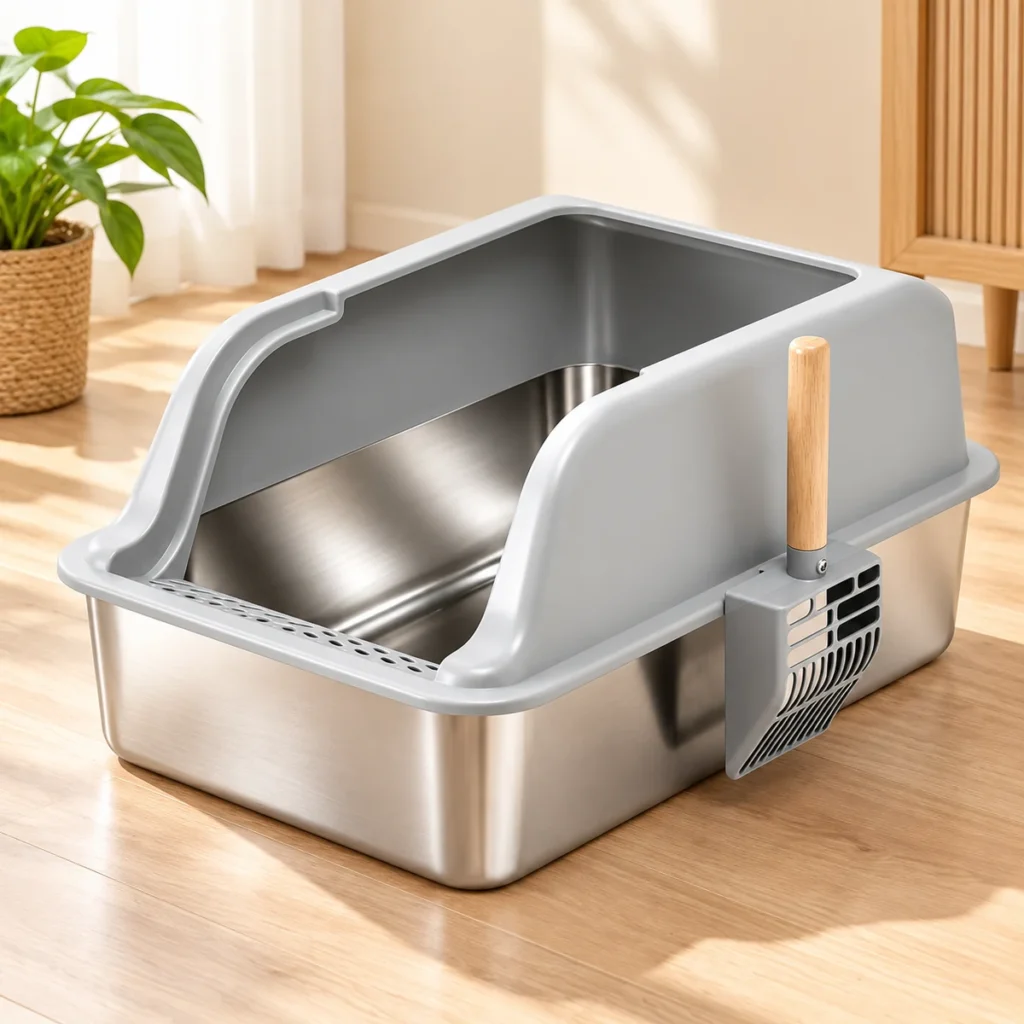
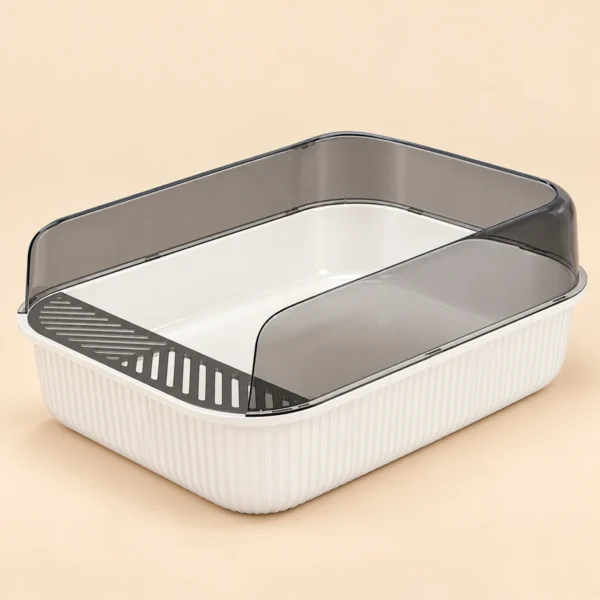
Open Top Cat Litter Box – Splash Guard & Wide Entry
Price range: $44.66 through $54.20 Select options This product has multiple variants. The options may be chosen on the product page-
Sale!
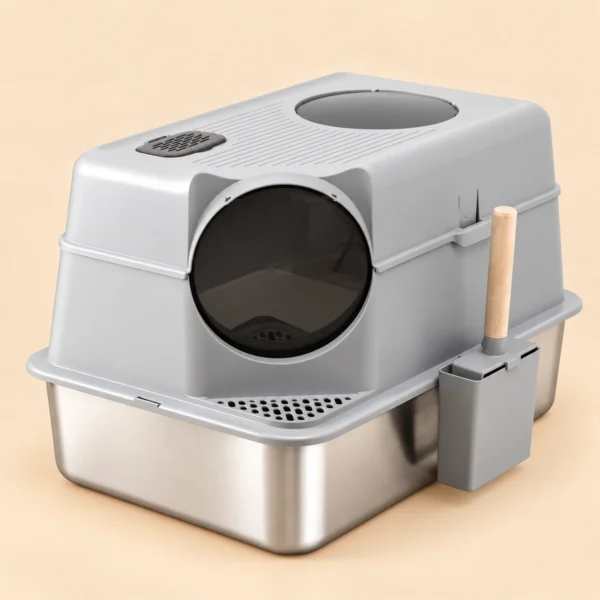
Stainless Steel Cat Litter Box – Large High Sided Set
Original price was: $132.99.$125.69Current price is: $125.69. Add to cart
Who Should Buy an Automatic Litter Box?
An automatic box suits busy households, multi-cat homes, people who find scooping difficult and owners who want a cleaner litter surface. It is less suitable for very small kittens, extremely nervous cats that may not adjust, or anyone on a tight budget. Cats with medical conditions that require close monitoring of urine and stools may also be better served by a manual tray, so ask your vet if you are unsure.
Safety Features to Look For
Choose a model with reliable sensors that detect when a cat is inside, a built-in delay before cleaning starts, a manual pause or override, and clear guidance on the minimum cat weight. Check that the unit and its power adaptor meet Australian electrical safety requirements, and read the warranty and support details. Never use a model your cat seems frightened of, and always follow the manufacturer’s instructions.
How to Introduce Your Cat to an Automatic Litter Box
Go slowly. Place the new box next to the old one and leave it switched off at first so your cat can explore it. Use the litter your cat already knows. Once your cat is using it comfortably, switch on the cleaning cycle when the cat is not nearby so they get used to the sound. Keep the old tray available for a while, praise calm behaviour and never force your cat inside. If your cat avoids the box, stop and try again more gradually.
Maintenance Tips
Empty the waste compartment regularly, ideally every day or two in a busy household, and top up the litter to the recommended level. Wash the base and removable parts on a regular schedule using pet-safe cleaners, and follow the manufacturer’s guidance for sensors and moving parts. Keep the box on a flat, stable surface with room around it. Households with several cats should follow the common guideline of one litter box per cat plus one extra.
Choosing Litter for an Automatic Box
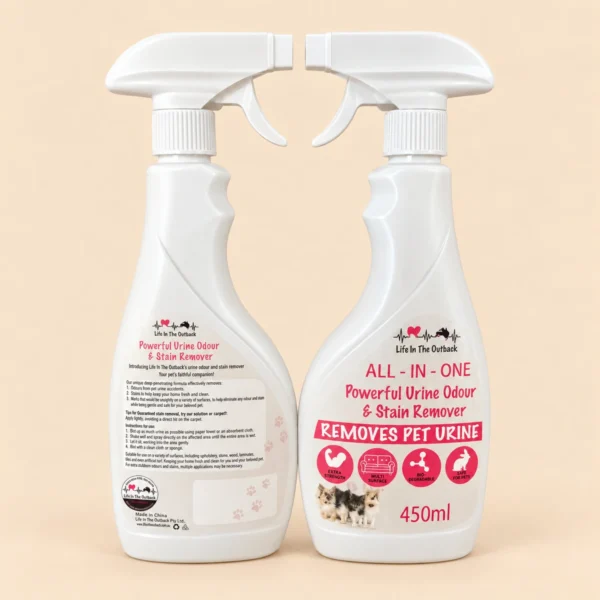
Most automatic boxes work best with good-quality clumping litter. Low-dust, unscented litters are usually well accepted by cats. Avoid switching brands suddenly, because many cats are sensitive to changes. Browse our cat litter range, and keep your pet waste cleanup supplies handy for the occasional mess.
A Smart Option From The Little Nest
If you are considering the upgrade, the Smart Automatic Cat Litter Box – WiFi Self-Cleaning 68L is a WiFi-enabled, self-cleaning model. Check the product page for full specifications, dimensions and safety details before you buy. We offer free shipping Australia-wide, and our returns and exchanges page explains how returns work. You can also browse everything for cats in our cat supplies collection. For general cat care advice, visit RSPCA Australia or the Australian Veterinary Association.
Frequently Asked Questions
Are automatic litter boxes worth it?
They can be, especially for busy owners, multi-cat homes and anyone who dislikes scooping. They cost more than a standard tray and still need regular maintenance, so they suit people who value convenience and have a cat that adapts well.
Do you still have to clean an automatic litter box?
Yes. You still need to empty the waste compartment, top up the litter and wash the base and parts regularly. Automatic boxes reduce daily scooping but do not remove cleaning altogether.
Are automatic litter boxes safe for cats?
Well-designed models with reliable sensors, a cycle delay and a manual override are generally considered safe. Always read the manufacturer’s guidance, check the minimum cat weight and supervise your cat during the introduction period.
Do cats like automatic litter boxes?
Many do, but some cats are wary of the noise and movement. A gradual introduction with the machine switched off at first makes acceptance much more likely. Never force a cat to use it.
How long does it take a cat to get used to an automatic litter box?
It varies from a few days to a few weeks. Cats that are confident adjust quickly, while shy cats need more time. Keep the old tray available until your cat is using the new one reliably.
What litter is best for an automatic litter box?
Most models work best with a good-quality clumping litter. Choose low-dust, unscented varieties and check your model’s instructions, because some systems require specific litter types.
Are automatic litter boxes good for multiple cats?
They can be very helpful in multi-cat homes because the box is cleaned between visits. Large-capacity models suit multiple cats best, and the general guideline is still to provide one box per cat plus one extra.
Do automatic litter boxes get rid of odour?
They help by sealing waste away quickly, but they do not remove odour completely. Regular emptying, washing the base and using good litter are still important for a fresh-smelling home.
Can kittens use an automatic litter box?
Very small kittens may be too light for the sensors to detect them safely. Check the minimum weight listed by the manufacturer and consider using a regular tray until your kitten is big enough.
How often should I empty an automatic litter box?
Check the waste compartment daily and empty it every day or two, depending on how many cats use it. The manufacturer’s instructions will give the best guidance for your model.