A new puppy checklist Australia owners can follow starts with a bed, a crate or playpen, bowls, a collar or harness and lead, an ID tag, a suitable diet, chew toys, cleaning supplies and an early vet visit. Preparing these before your puppy arrives, and puppy-proofing your home, makes the first weeks calmer and safer. This Australian new puppy checklist covers the essentials, what to ask your vet, how to handle toilet training and socialisation, and what to expect in the first week.
New Puppy Checklist Australia: Before Your Puppy Comes Home
Book a vet visit for the first few days so your puppy can be checked and you can discuss vaccinations, worming, flea and tick prevention, microchipping and desexing. Rules on microchipping, council registration and desexing vary between states and councils, so check your local requirements. Decide where your puppy will sleep, eat and toilet, and agree on household rules so everyone is consistent from day one.
Essential Puppy Supplies
A comfortable bed
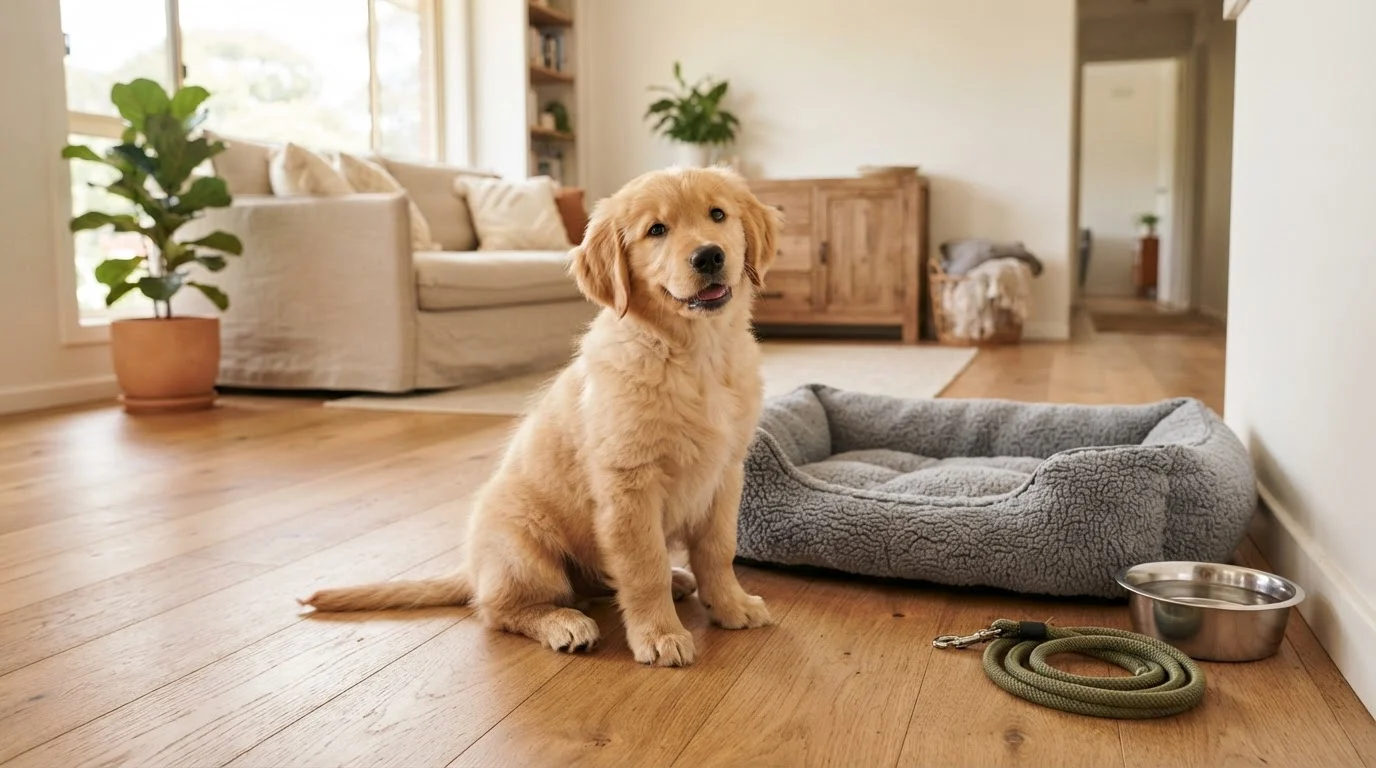
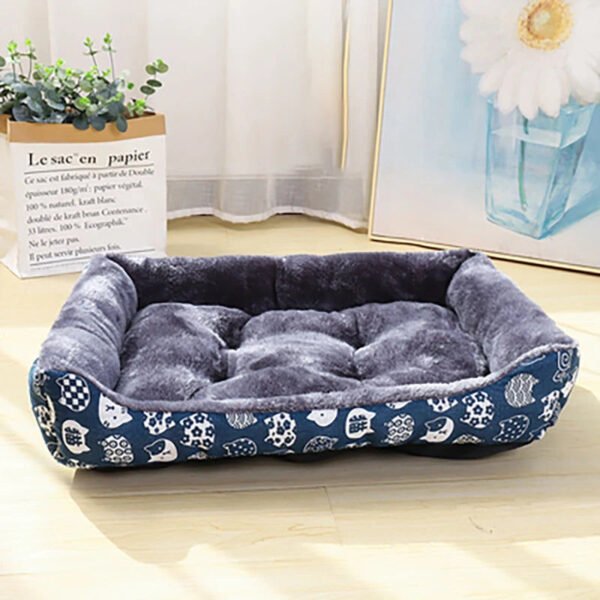
Puppies sleep a lot and need a washable bed that can survive chewing and accidents. Choose a bed with a removable cover and avoid anything with loose parts that could be swallowed. Browse our dog beds to find a supportive option.

Dog Sofa Bed for Cats & Dogs | Blue
Price range: $43.40 through $82.60 Select options This product has multiple variants. The options may be chosen on the product pageDonut Calming Pet Bed – Plush Warm Anti Slip Bed
$60.00 Select options This product has multiple variants. The options may be chosen on the product page

A crate or carrier
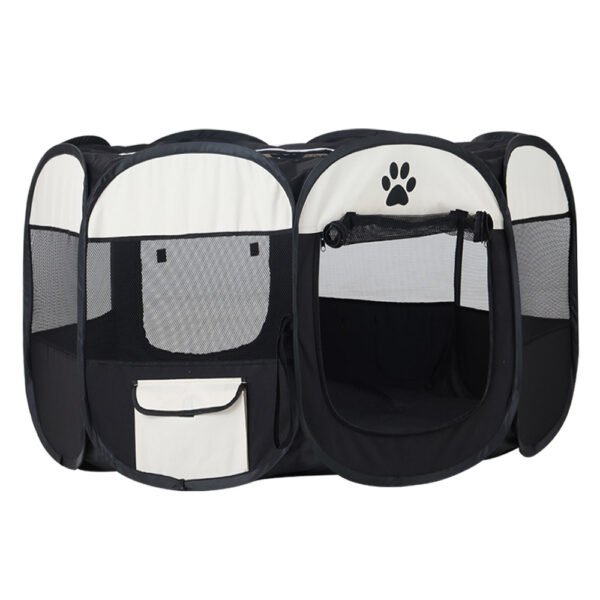
A crate gives your puppy a safe, den-like space and helps with toilet training and travel. Choose one that allows your puppy to stand, turn around and lie down comfortably, and introduce it gradually with treats and praise. Explore our dog carriers and crates.
A playpen and gates
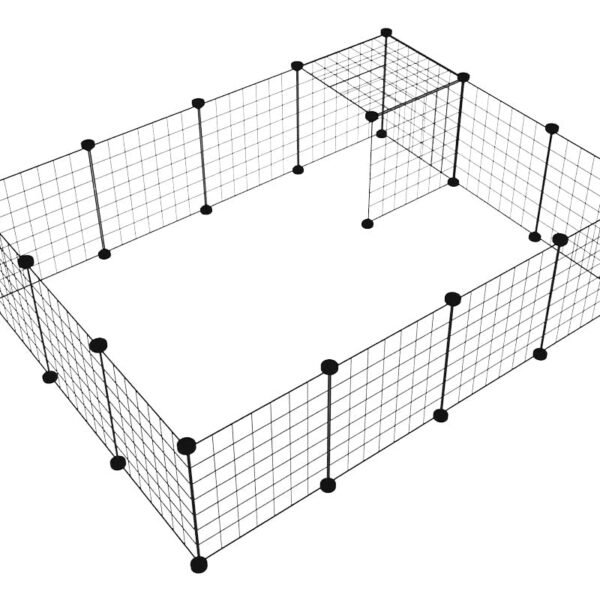
A dog playpen or gate creates a safe area where your puppy can play and rest when you cannot supervise. It also helps keep puppies away from cords, shoes and hazards.
Bowls and feeders
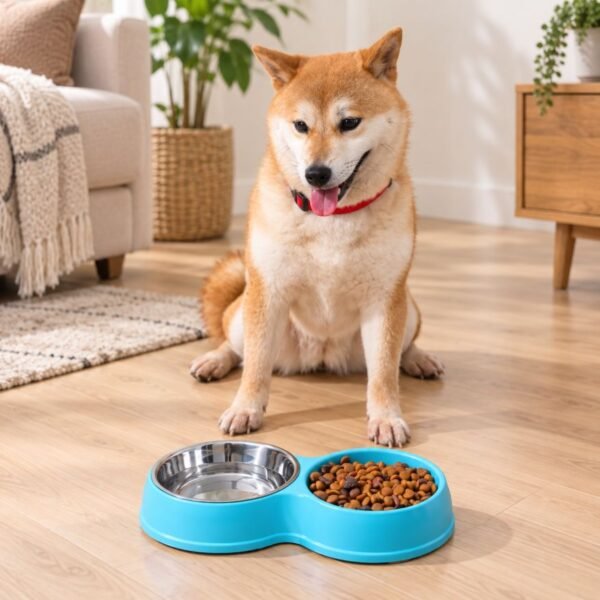
Choose sturdy, non-tip bowls, plus a separate water bowl that is always filled. Slow feeders can help puppies that eat too quickly. See our dog bowls, feeders and waterers.
Slow Feeder Double Bowl Pet Feeder for Cats & Dogs
Price range: $42.14 through $42.25 Select options This product has multiple variants. The options may be chosen on the product page
Collar, harness, lead and ID
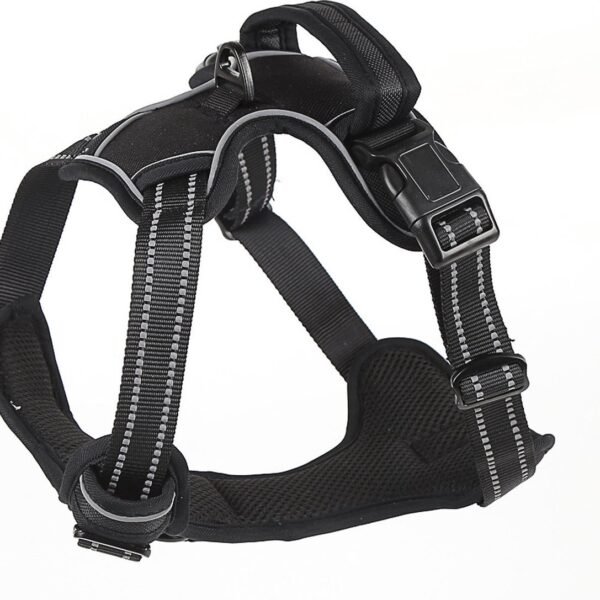
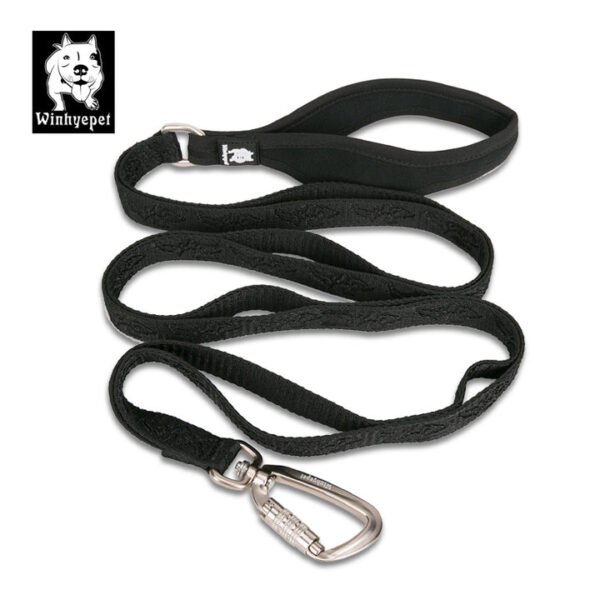
A soft, adjustable collar or harness and a lead are needed for walks and training, and an ID tag with your phone number is essential. Puppies grow quickly, so choose adjustable styles and check the fit often. Browse dog collars, leads and harnesses.
Y Shaped Reflective Dog Harness Adjustable
Price range: $38.39 through $51.81 Select options This product has multiple variants. The options may be chosen on the product pageWhinyepet Multi Function Dog Lead, Adjustable Length
Price range: $87.33 through $90.79 Select options This product has multiple variants. The options may be chosen on the product page
Training aids, toys and chews
Chew toys help puppies through teething and protect your furniture, and training aids support reward-based routines. Choose items made for puppies, and supervise chewing to avoid choking hazards. Take a look at our dog training aids.
Grooming and cleaning supplies
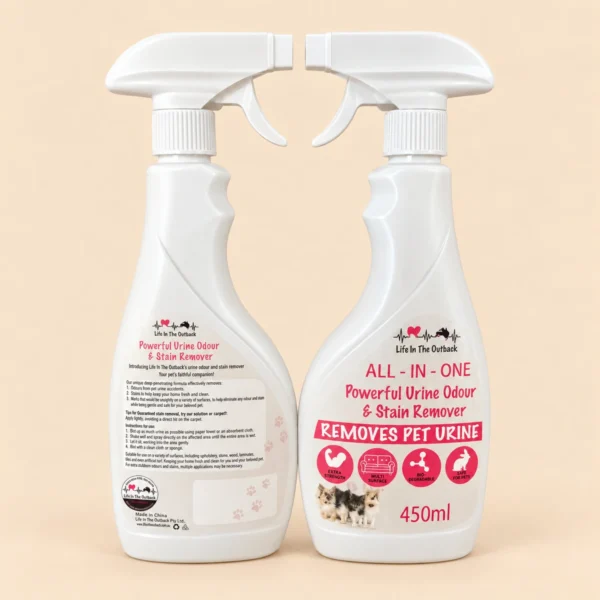
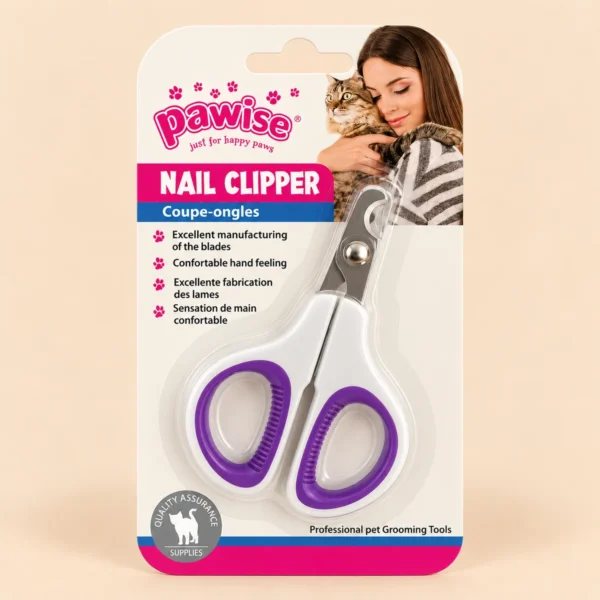
Get a soft brush, puppy-safe shampoo and nail clippers, plus enzymatic cleaner for accidents and poo bags for walks. Explore our pet grooming and hygiene and pet waste cleanup products.
How to Puppy-Proof Your Home
Puppies explore with their mouths, so remove or cover electrical cords, shoes, remote controls and small objects. Keep chocolate, grapes, raisins, sultanas, macadamia nuts, onions, xylitol and medications out of reach, along with cleaning products and toxic plants. Block off stairs, pools and unsafe areas, and secure bins. A playpen and baby gates help you manage the space.
The First Day and Night
Let your puppy explore a limited area, show them where to toilet and keep things calm. At night, put the bed or crate in a quiet spot, ideally near you so your puppy can hear and smell you. Expect some crying and a few toilet breaks during the night, which is normal for a young puppy. A soft blanket with a familiar smell can help.
Toilet Training Basics
Take your puppy outside after waking, eating, drinking and playing, and to the same spot each time. Praise and reward immediately when they go in the right place. Clean accidents with an enzymatic cleaner and never punish your puppy for mistakes, because it only makes them anxious. Be patient, because most puppies need weeks of consistent routine.
Socialisation and Training
The first few months are important for learning how to cope with new people, sounds and places. Introduce your puppy to new experiences gently and positively, with treats and praise. Ask your vet where it is safe to go until your puppy has completed their vaccinations, because unvaccinated puppies are vulnerable to serious diseases. Start with simple commands like sit and come, and keep sessions short and fun. Puppy classes run by qualified trainers can help.
Feeding Your Puppy
Feed a high-quality diet suited to your puppy’s age and expected adult size, and ask your vet about portion sizes and feeding frequency. Change foods gradually over about a week, and make sure water is always available. Avoid giving table scraps, especially foods that are toxic to dogs.
Costs and Ongoing Care
Plan for food, vet visits, vaccinations, parasite prevention, training classes, grooming, bedding and replacement toys. Consider pet insurance and set aside savings for unexpected costs. For general advice, visit RSPCA Australia or the Australian Veterinary Association.
Start Your Puppy Shopping
Browse our dog supplies or explore the whole shop. We offer free shipping Australia-wide, and you can check shipping and delivery and returns and exchanges before you order.
Frequently Asked Questions
What do I need for a new puppy?
You need a bed, crate or playpen, bowls, a collar or harness and lead, an ID tag, puppy food, chew toys, grooming and cleaning supplies, and an early vet visit.
What should I buy before bringing a puppy home?
Buy the essentials first: a bed, crate or playpen, bowls, a collar and lead, an ID tag and food. Puppy-proof your home and plan where your puppy will sleep and toilet.
How do I puppy-proof my home?
Remove or cover cords and small objects, secure bins, and block off stairs and unsafe areas. Keep toxic foods, plants, medications and cleaning products out of reach.
How long does it take to toilet train a puppy?
Most puppies need several weeks of consistent routine. Take them out after waking, eating, drinking and play, reward success and never punish accidents.
What should I feed a new puppy?
Choose a high-quality diet suited to your puppy’s age and expected adult size. Ask your vet about portions, and change foods gradually over about a week.
When should I take my puppy to the vet?
Book a check within the first few days of bringing your puppy home. Your vet can discuss vaccinations, worming, flea and tick prevention, microchipping and desexing.
When can my puppy go out in public?
Ask your vet. Puppies are vulnerable to serious diseases until their vaccinations are complete, so your vet will tell you where and when it is safe to go.
Should my puppy sleep in a crate?
Many puppies settle well in a crate that is comfortable and the right size, introduced gradually with treats. It helps with toilet training and gives them a safe space.
What toys are safe for puppies?
Choose toys and chews designed for puppies, in a size that cannot be swallowed. Supervise chewing and replace toys that are damaged or breaking apart.
How do I help my puppy settle on the first night?
Place the bed or crate in a quiet spot near you, add a blanket with a familiar smell and expect some crying. Plan for toilet breaks and keep the night calm.