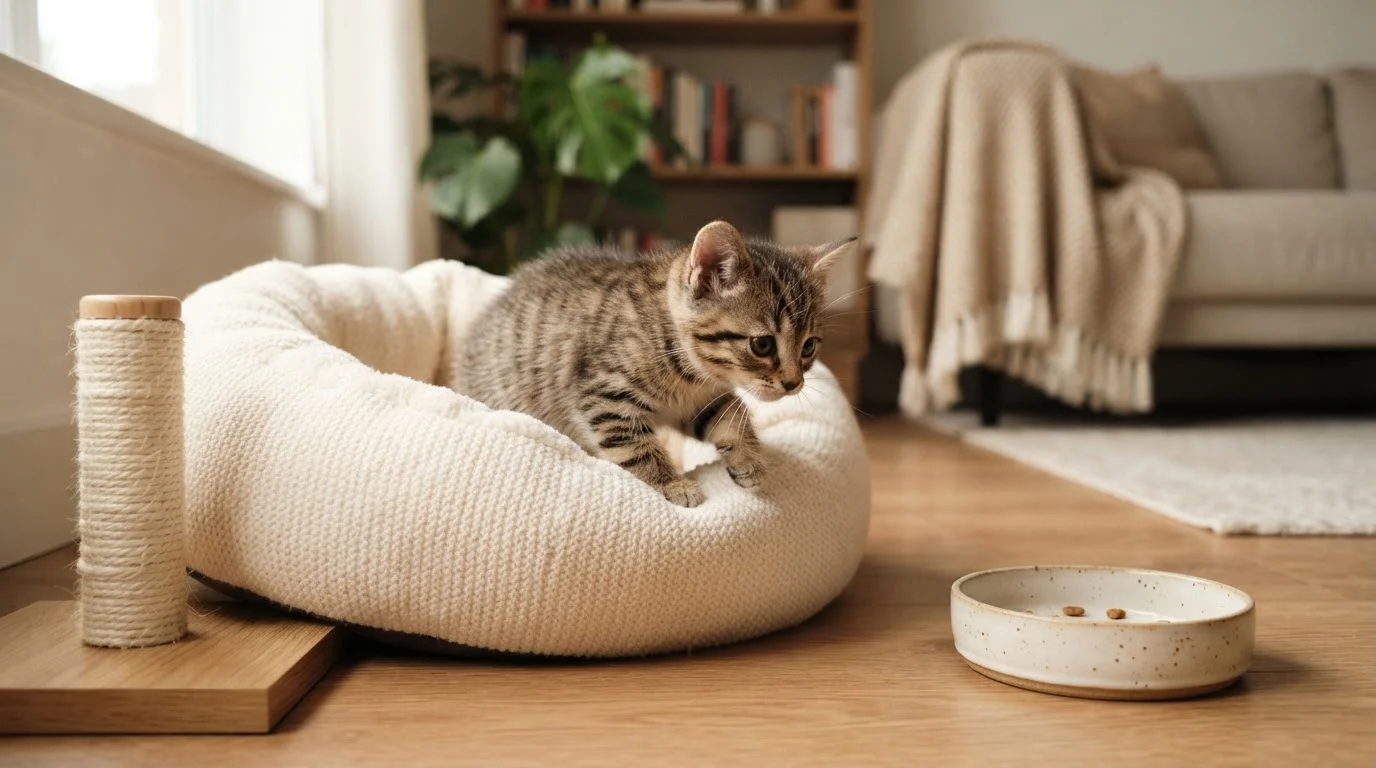
A new kitten checklist Australia owners can follow starts with a safe room, a litter tray and litter, food and water bowls, a bed, a scratcher, a carrier, a collar with ID, a few toys and a vet visit in the first week. Getting these ready before your kitten arrives makes the transition calmer for everyone. This Australian new kitten checklist covers the essentials, how to kitten-proof your home, what to ask your vet and how to handle the first days, so you can enjoy your new arrival with confidence.
New Kitten Checklist Australia: Before Your Kitten Comes Home
Book a vet check for the first few days so your kitten can be examined and you can discuss vaccinations, parasite prevention, microchipping, desexing and diet. Rules for microchipping, council registration and desexing differ between states and councils, so check your local requirements. Choose a quiet room, such as a spare bedroom or laundry, as a safe base where your kitten can settle in before exploring the rest of the home.
Essential Kitten Supplies
A comfortable bed
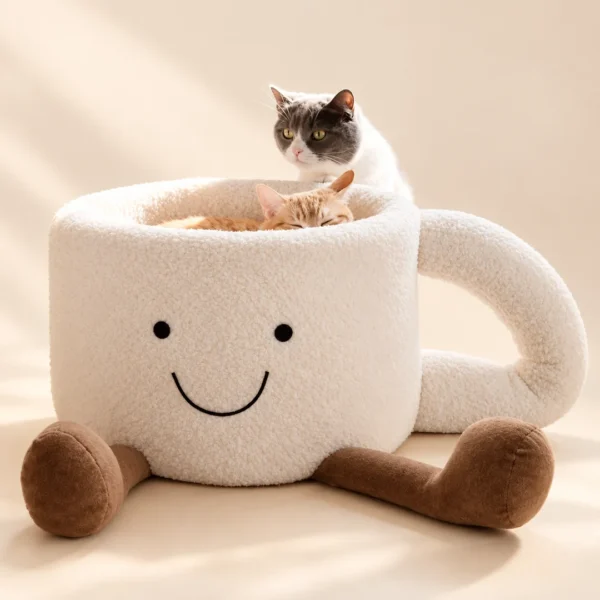
Kittens sleep a great deal and love soft, warm places. Choose a washable bed small enough for a kitten to feel secure. Enclosed styles like the Coffee Cup Cat Bed can give a nervous kitten a cosy place to hide. Browse our cat beds for more options.

Coffee Cup Cat Bed – Cosy Plush Enclosed Pet Nest
$64.96 Add to cartDonut Calming Pet Bed – Plush Warm Anti Slip Bed
$60.00 Select options This product has multiple variants. The options may be chosen on the product page

Litter tray and litter
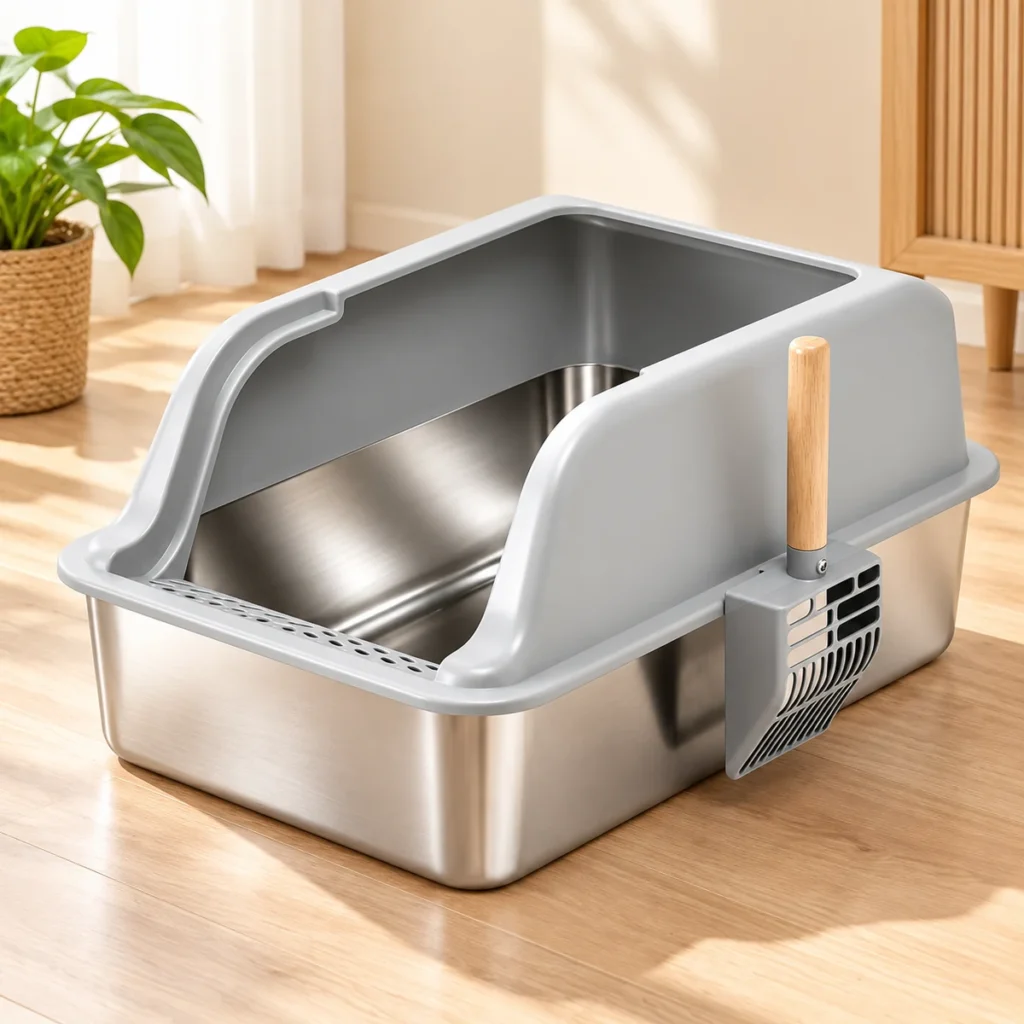
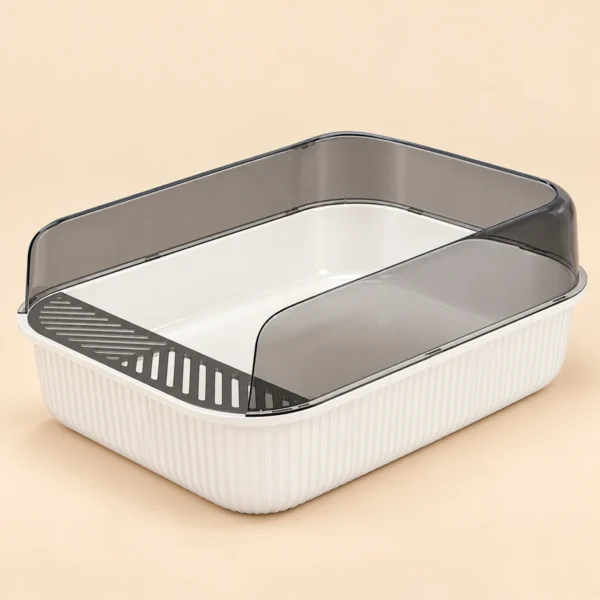
Choose a low-sided, easy-to-enter tray, and put it in a quiet spot away from food and water. Ask your vet which litter suits a young kitten, because very young kittens sometimes try to eat litter. Keep the same litter your kitten was using before to avoid confusion, and see our cat litter range for options.
Open Top Cat Litter Box – Splash Guard & Wide Entry
Price range: $44.66 through $54.20 Select options This product has multiple variants. The options may be chosen on the product page-
Sale!
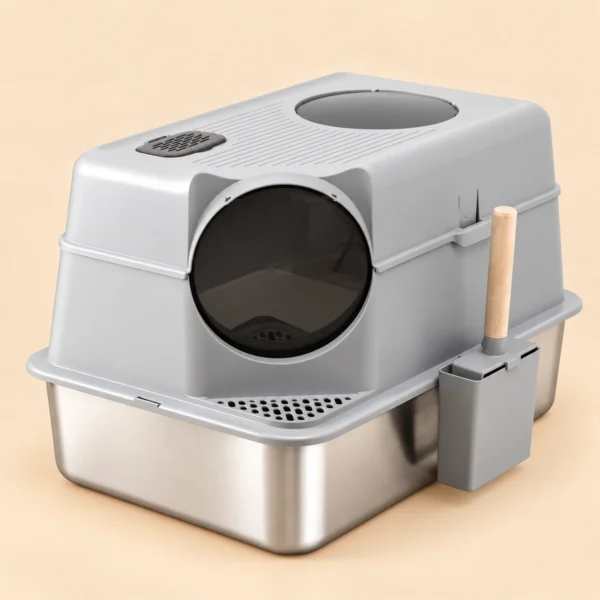
Stainless Steel Cat Litter Box – Large High Sided Set
Original price was: $132.99.$125.69Current price is: $125.69. Add to cart
Food and water bowls
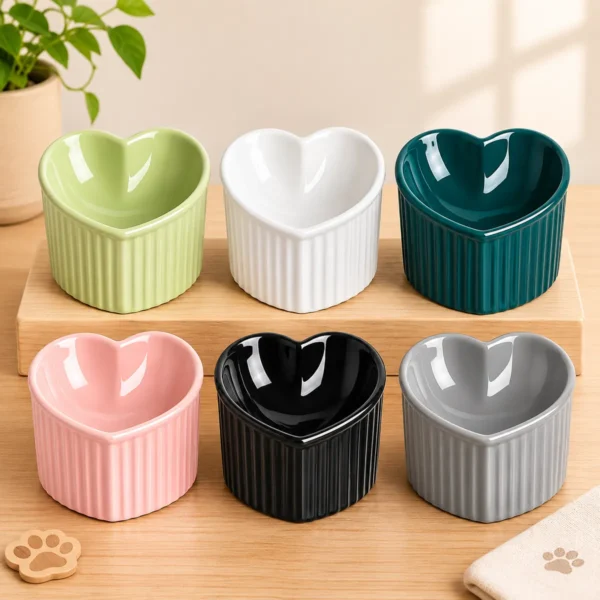
Use shallow, wide bowls that are easy for a small kitten to reach and keep fresh water available at all times. Place food and water apart from the litter tray. Browse cat bowls, feeders and waterers. Feed a kitten-appropriate diet recommended by your vet, and if you change foods, do it gradually over about a week.
Raised Heart Shaped Ceramic Cat Bowl
Price range: $35.59 through $55.05 Select options This product has multiple variants. The options may be chosen on the product page
A scratcher
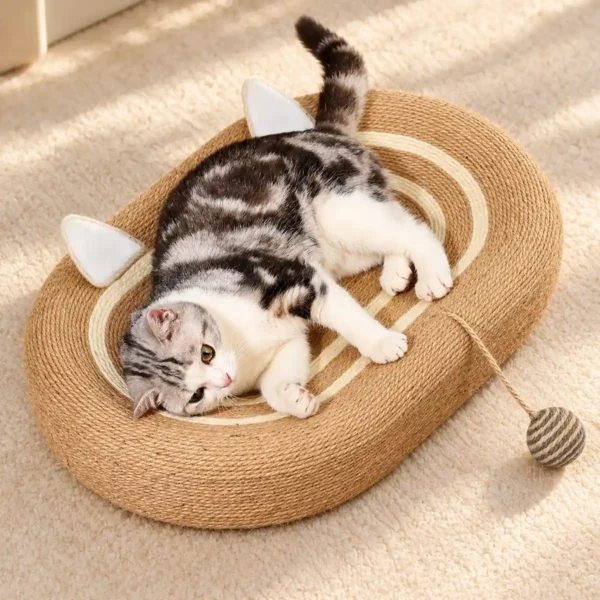
Scratching is a natural behaviour, and giving your kitten an appropriate place from day one helps protect your furniture. A sturdy scratcher like the Sisal Cat Scratcher Bed offers a scratching surface and a place to rest. See all our cat scratchers.
A carrier
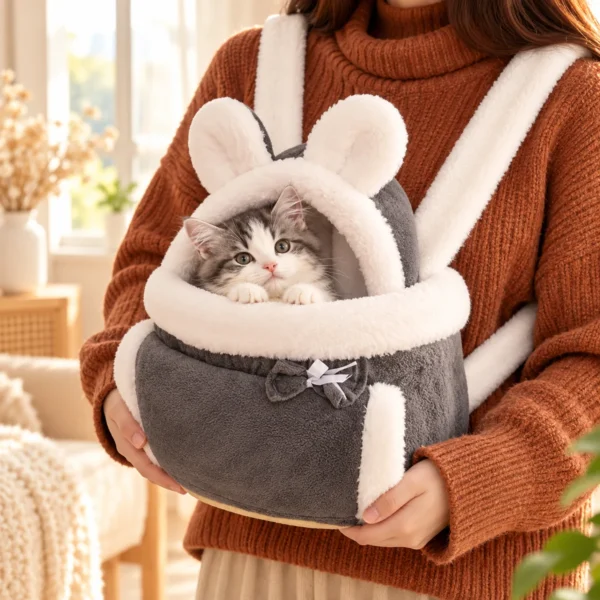
You will need a secure carrier to bring your kitten home and to visit the vet. Choose one that is well ventilated and easy to clean, and leave it open at home so your kitten gets used to it. The 2-in-1 Plush Pet Carrier & Cosy Travel Bed is designed to work as both a bed and a carrier, and you can compare more styles in our cat carriers and crates.
-
Sale!
2 in 1 Plush Pet Carrier & Cosy Travel Bed
Price range: $61.25 through $81.25 Select options This product has multiple variants. The options may be chosen on the product page
Collar and ID
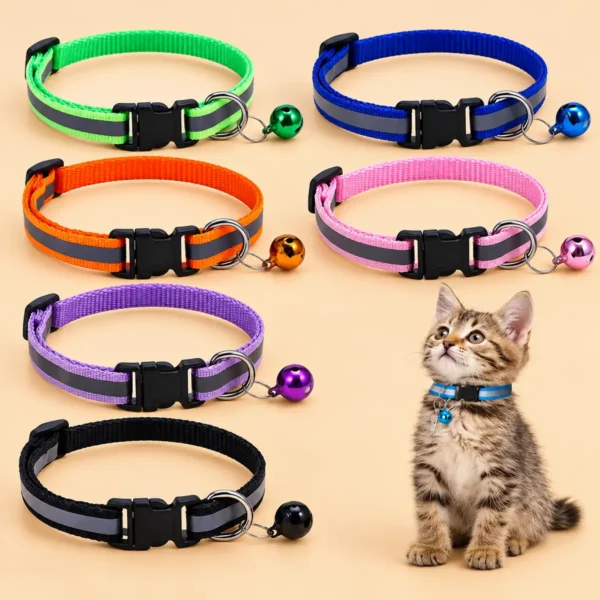
A breakaway collar with an identification tag is a good idea, together with a microchip registered with your current contact details. See our cat collars and accessories.
- 6 Pack Cat Collars with Bells – Reflective & Adjustable Safety Buckle to Pinterest (opens in a new window)Sale!
6 Pack Cat Collars with Bells – Reflective & Adjustable Safety Buckle
Original price was: $28.79.$26.99Current price is: $26.99. Add to cart
Toys, climbing and grooming
Simple toys for chasing and pouncing keep kittens active, and a place to climb gives them an outlet for energy. Take a look at our cat furniture and our pet grooming and hygiene products for brushes and care essentials.
How to Kitten-Proof Your Home
Kittens are curious and fast. Tuck away electrical cords, secure windows and balcony doors, and keep small items such as hair ties, string and rubber bands out of reach, because they can cause serious blockages if swallowed. Many common plants are toxic to cats, and lilies are especially dangerous, so remove them from your home. Keep cleaning products, medications, chocolate and human foods locked away, and check that washing machines, dryers and drawers are empty before closing them.
The First Day and Night
Carry your kitten home in the carrier and let them out into the safe room. Show them the litter tray, food and water, and let them explore at their own pace. Keep the first day quiet and avoid too many visitors. At night, provide a warm bed and a ticking clock or a soft blanket that smells familiar. A little crying is normal, but check that your kitten is warm, fed and safe.
The First Week at Home
Stick to a routine for feeding, play and sleep. Gradually allow your kitten to explore more of the house once they are comfortable, and introduce other pets slowly and under supervision. Use gentle handling so your kitten learns that people are safe and fun. Book the first vet visit within the first few days, and ask about vaccinations, parasite control, microchipping and when to desex.
Litter Training Tips
Most kittens learn quickly because they instinctively like to dig. Place your kitten in the tray after meals, after naps and after play. Praise calm behaviour and never punish accidents, because that makes kittens anxious. Clean accidents with a pet-safe cleaner to remove odours. If problems continue, speak with your vet.
Keeping Your Kitten Safe Indoors and Out
Many Australian vets and animal welfare organisations recommend keeping cats safely contained at home, with an enclosed outdoor area if possible, to protect cats from traffic, injury and disease. It also protects native wildlife. Rules about containing cats differ between states and councils, so check what applies to you. For more cat care advice, visit RSPCA Australia or the Australian Veterinary Association.
Budget and Ongoing Costs
Plan for ongoing costs such as food, litter, vet visits, vaccinations, parasite prevention and replacement toys and bedding, as well as the up-front items on this checklist. Consider pet insurance, and set aside savings for unexpected vet bills.
Start Your Kitten Shopping
Explore our full range of cat supplies or browse the whole shop. We offer free shipping Australia-wide, and you can review shipping and delivery and returns and exchanges before you order.
Frequently Asked Questions
What do I need for a new kitten?
You need a bed, litter tray and litter, food and water bowls, kitten food, a scratcher, a carrier, a collar with ID, toys and a safe room. Book a vet visit within the first few days.
What should I buy before bringing a kitten home?
Buy the essentials in advance: a bed, tray, litter, bowls, a scratcher and a carrier. Prepare a quiet room and kitten-proof your home so your kitten can settle in safely.
How do I prepare my home for a kitten?
Secure cords, windows and balcony doors, remove toxic plants like lilies, put away small items and chemicals, and check appliances before closing them. Set up a safe room first.
What should I feed a new kitten?
Choose a complete kitten diet recommended by your vet, and keep fresh water available. Change foods gradually over about a week to avoid stomach upsets.
How long does it take to litter train a kitten?
Most kittens learn within days because it is a natural instinct. Place them in the tray after meals, naps and play, and praise success. Avoid punishment for accidents.
When should I take my kitten to the vet?
Book a check within the first few days of bringing your kitten home. Your vet can discuss vaccinations, parasite control, microchipping, desexing and diet.
Should a kitten have a collar?
A breakaway collar with an ID tag is helpful, along with a registered microchip. Choose a collar that fits well and releases if it gets caught.
How do I help my kitten settle in the first night?
Provide a warm bed, a quiet room and a familiar-smelling blanket. A little crying is normal, but check that your kitten is warm, fed and safe, and keep the first night calm.
Do kittens need a scratcher?
Yes. Kittens naturally scratch, so providing a suitable scratcher from day one directs this behaviour away from furniture and helps keep claws healthy.
Should I keep my kitten indoors?
Many vets and welfare groups recommend keeping cats safely contained at home, with an enclosed outdoor area if possible. Check your local state and council rules.