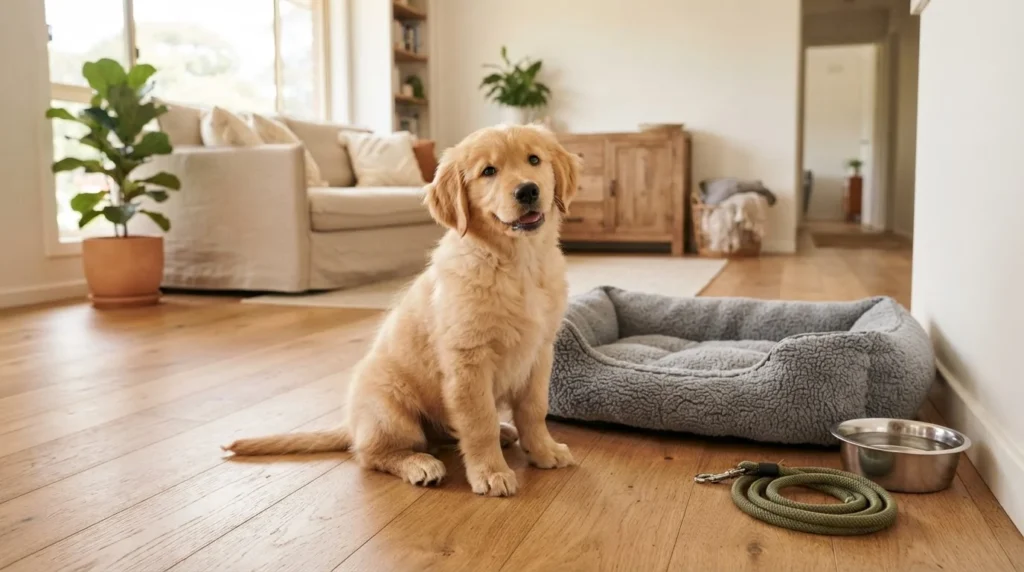
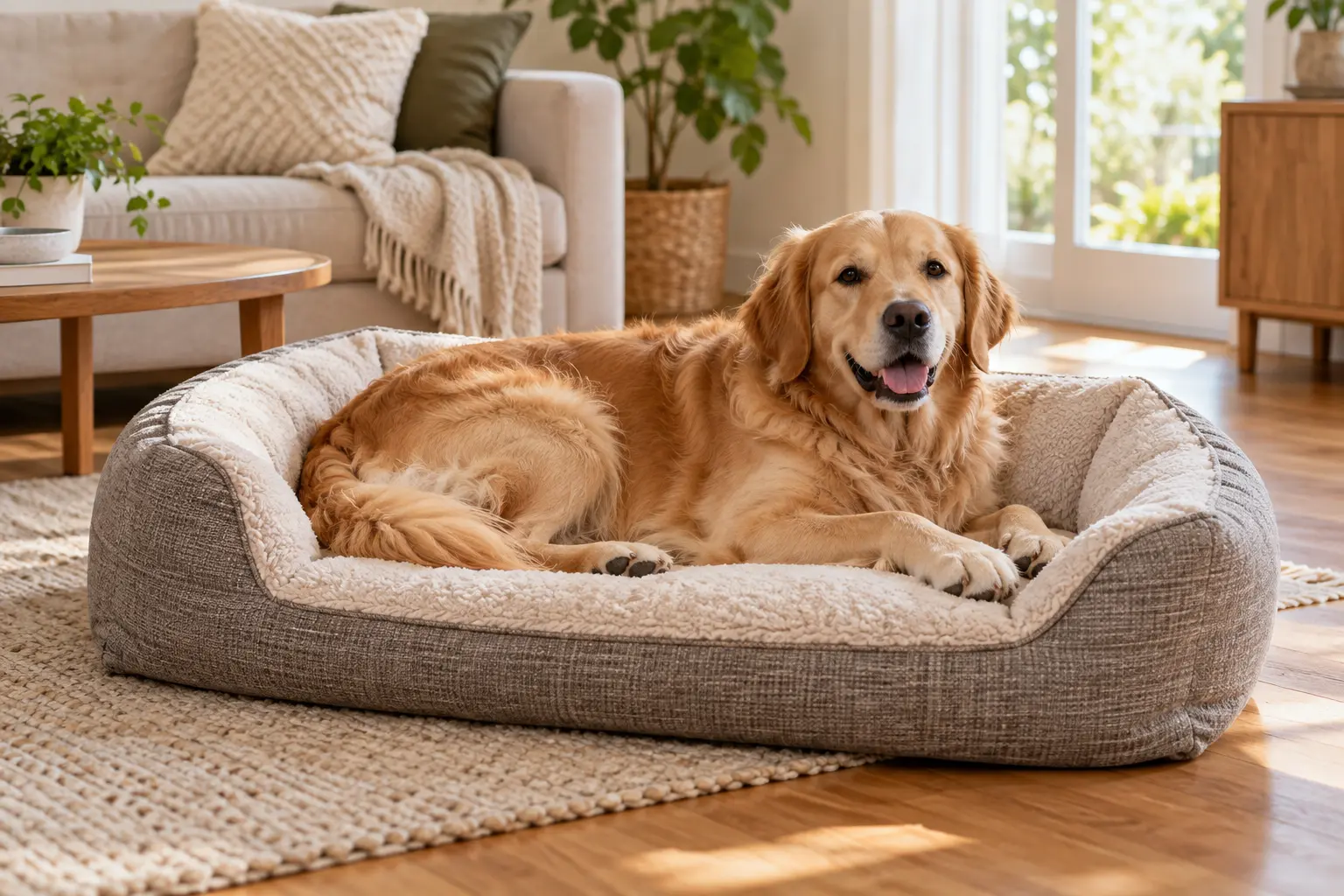
Here is how to choose a dog bed: match the bed to your dog’s size, sleeping style, age and health. Measure your dog while they are stretched out, pick a supportive bed if they are large or older, choose a bolster or donut style if they like to curl up, and look for a removable, washable cover. A little time spent on this means your dog sleeps better and the bed lasts longer. This guide covers how to measure, the main types of beds, the best materials, and tips for large dogs, senior dogs, puppies and chewers.
How to Choose a Dog Bed: Why the Right One Matters
Dogs sleep for many hours a day, so a good bed supports their joints, keeps them off hard or cold floors and gives them a space that feels like their own. The wrong bed can be too small to stretch out on, too thin to support heavier dogs or too hard to keep clean. A bed that fits your dog’s body and habits is one they will actually use.
Step 1: Work Out Your Dog’s Sleeping Style
Watch how your dog sleeps. Curlers tuck their nose to their tail and like a rounded bed with a raised rim. Sprawlers stretch out on their side or back and need a larger, flatter surface. Leaners rest their head on something and enjoy bolster sides, while burrowers like to dig into soft bedding. Matching the bed to the sleeping style is as important as getting the size right.
Step 2: Measure Your Dog
Measure from the tip of your dog’s nose to the base of their tail while they are standing or lying stretched out, then add about 10 to 15 centimetres so they can move comfortably. For sprawlers and growing puppies, go bigger. Always check the bed’s inside dimensions rather than the outer size, because raised sides reduce the usable sleeping area. If your dog is between sizes, choose the larger one, and check the weight guidance for heavier dogs.
Step 3: Choose the Bed Type
Orthopaedic or memory foam beds are designed to spread weight evenly and ease pressure on the hips and joints. They suit large dogs, senior dogs and dogs that seem stiff after resting. If your dog is limping or showing signs of pain, see your vet rather than relying on a bed alone.
Bolster beds have raised sides that support the head and back and help dogs feel secure. Donut or round plush beds with a raised rim suit dogs that curl up, and some are marketed as calming beds. They offer comfort and a sense of enclosure, but they are not a treatment for anxiety, so speak to your vet if your dog is distressed.
Flat mats and pads are lightweight, easy to wash and good for warm weather, crates and travel. Raised beds let air circulate underneath, which can be useful during hot Australian summers and in outdoor areas. You can compare styles in our dog beds collection.

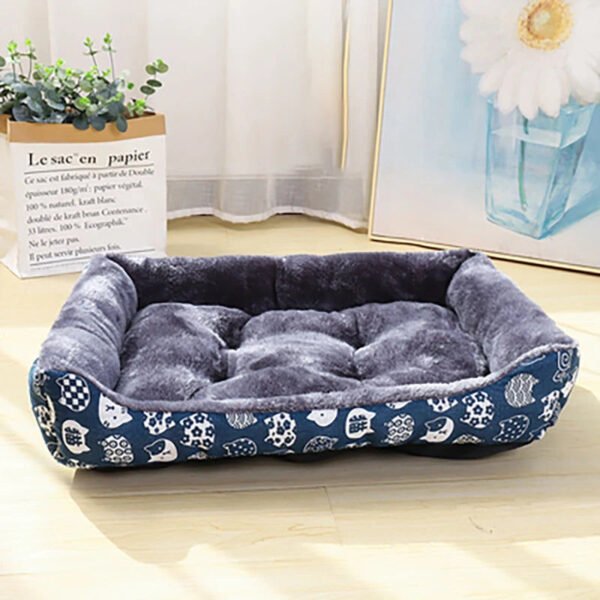
Dog Sofa Bed for Cats & Dogs | Blue
Price range: $43.40 through $82.60 Select options This product has multiple variants. The options may be chosen on the product pageDonut Calming Pet Bed – Plush Warm Anti Slip Bed
$60.00 Select options This product has multiple variants. The options may be chosen on the product page

Step 4: Check the Materials and Washability
Look for a removable, machine-washable cover so you can keep the bed fresh. A non-slip base helps the bed stay put on tiles and timber floors, and a water-resistant liner protects the filling for puppies and older dogs that may have accidents. Choose durable fabrics if your dog scratches or digs. For dogs that chew, avoid beds with soft stuffing or small parts that could be swallowed, and supervise your dog until you know how they treat the bed.
Choosing a Bed for Large Dogs
Large dogs need extra thickness so their joints do not bottom out on the floor, plus a big, stable surface so they can stretch. Look for dense foam, a sturdy base and a clear weight rating. A bolster can help them settle, and some owners of very large dogs prefer two beds in different rooms so their dog is always comfortable.
Choosing a Bed for Senior Dogs
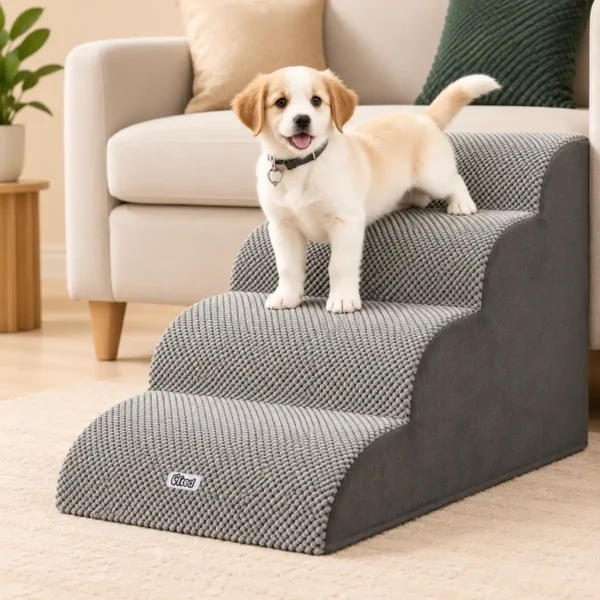
Older dogs benefit from supportive, low-entry beds that are easy to step onto, with non-slip bases and plenty of padding. Warmth helps stiff joints, so place the bed away from draughts. If your senior dog struggles to get onto the couch or into the car, dog steps and ramps can reduce strain on their joints. Talk to your vet about mobility concerns or visit the Australian Veterinary Association for general guidance.
i.Pet Foam Dog Steps – Non Slip Pet Stairs for Bed, Sofa & Car
Price range: $59.99 through $132.99 Select options This product has multiple variants. The options may be chosen on the product page
Choosing a Bed for Puppies
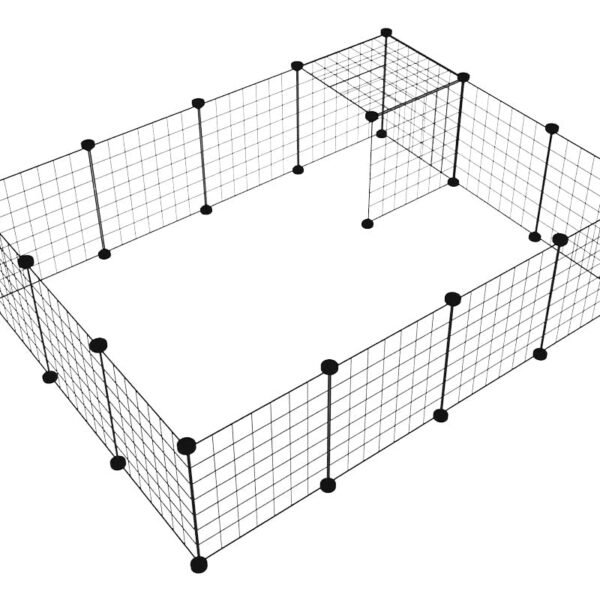
Puppies grow quickly and can have accidents, so a washable, durable bed is the practical choice. Avoid beds with loose parts they can chew off and swallow. A comfortable bed inside a dog crate or carrier or playpen helps them settle into a routine and keeps them safe when you cannot supervise.
Where to Put the Dog Bed
Choose a quiet, draught-free spot where your dog can still see and hear the family. Avoid placing it next to heaters or in direct afternoon sun. In summer, a cooler spot with good airflow helps. Keeping the bed in the same place helps your dog learn that it is their special space.
How to Help Your Dog Settle Into a New Bed
Place a familiar blanket or an item that smells like home on the bed and put it where your dog already likes to sleep. Reward calm behaviour with praise or a small treat and never force your dog onto the bed. Most dogs accept a new bed within a few days if it is comfortable and in a good spot.
How Often to Wash and Replace a Dog Bed
Wash the cover regularly, ideally weekly, and follow the care label for the rest of the bed. Vacuum the surface between washes to remove hair and dirt. Replace the bed when the filling is flattened, the fabric is torn or smells linger even after washing. A worn bed no longer gives the support your dog needs.
Signs Your Dog Needs a Better Bed
If your dog avoids their bed and sleeps on the floor, seems restless, struggles to get up after sleeping or has a flattened bed that no longer supports them, it is time for a change. Persistent stiffness should be checked by a vet.
Find the Right Bed at The Little Nest
Browse our dog beds, explore all dog supplies or visit the whole shop. We offer free shipping Australia-wide, and our returns and exchanges page explains how returns work. For more pet care advice, visit RSPCA Australia.
Frequently Asked Questions
How do I choose the right size dog bed?
Measure your dog from nose to base of tail while stretched out, add 10 to 15 centimetres and check the bed’s inside dimensions. If your dog is between sizes or sprawls when sleeping, choose the larger size.
What is the best type of bed for a large dog?
Large dogs usually do best on thick, supportive orthopaedic or memory foam beds with a sturdy base and a clear weight rating. A bolster can add head and back support.
Are orthopaedic dog beds worth it?
They are especially useful for senior dogs, large breeds and dogs that are stiff after resting, because they spread weight and reduce pressure on joints. They do not replace veterinary care for pain.
What bed is best for a senior dog?
Choose a supportive, low-entry bed with a non-slip base and good padding, placed in a warm, draught-free spot. Steps or a ramp can help with couches and cars.
Should a dog bed be bigger than the dog?
Yes, it should be slightly larger so your dog can stretch out and change position. Too small a bed forces dogs into awkward positions and gets less use.
How often should I wash a dog bed?
Wash the cover regularly, ideally weekly, and clean the rest of the bed according to the care label. Vacuum between washes to remove hair and dirt.
What is the best material for a dog bed?
Look for a durable, washable cover over a supportive filling such as dense foam. For chewers, avoid soft stuffing and small parts. Water-resistant liners help with puppies and older dogs.
Do calming dog beds work?
Plush, raised-rim beds can help dogs feel secure and comfortable, but they are not a treatment for anxiety. If your dog seems distressed, speak to your vet about the cause and options.
Where should I put my dog’s bed?
Put it in a quiet, draught-free spot within sight of the family, away from heaters and direct sun. Keep it in a consistent place so your dog learns it is their space.
When should I replace a dog bed?
Replace it when the filling is flat, the fabric is torn or there are lingering smells after washing. A worn bed no longer supports your dog’s joints.